
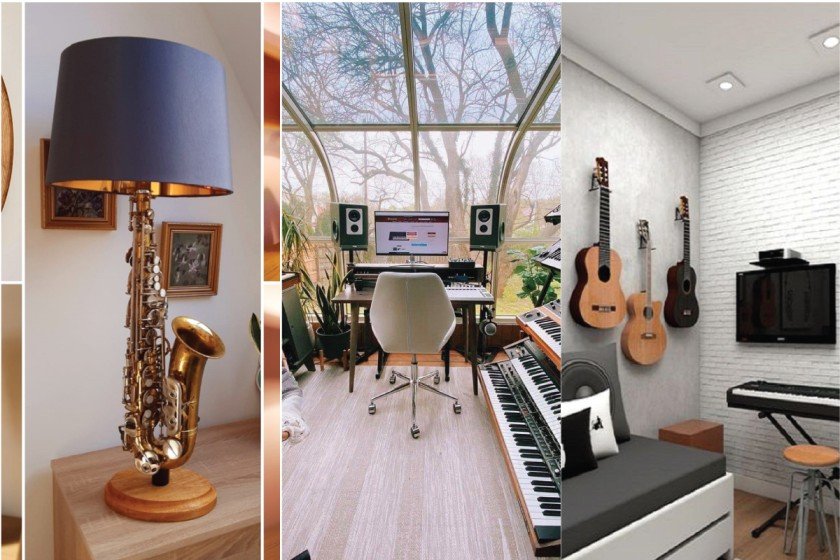
Creating a music room at home can lift your mood and give you a steady place to practice, play, or simply unwind with your favorite sounds. Having a designated area also helps keep noise controlled so your family and neighbors can relax without constant interruptions.
Acoustic foam is a popular option because it reduces echo and manages reverb, giving your instruments clearer tone. If you plan to crank up an electric guitar or drum kit, you might even bring in a contractor to add extra drywall for stronger sound control.
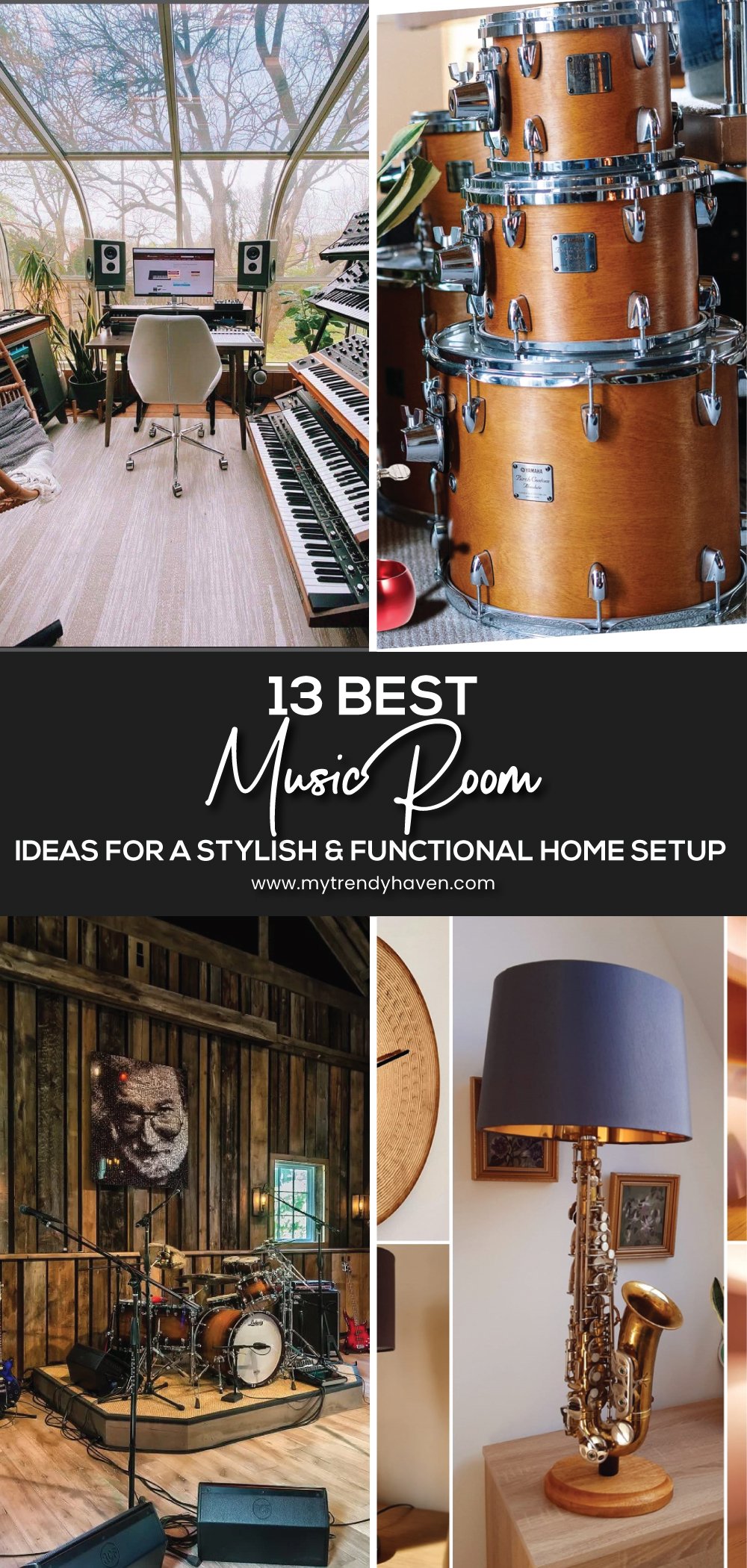
With a few thoughtful shifts in layout, lighting, and décor, you can shape the room into a stylish music-themed hangout that fits your personal taste. Below are ideas to help you craft a space that feels inviting, practical, and ready for every jam session.
Music-Themed Décor Ideas

A well-arranged music room is a great place to highlight your passion and display cherished collectables. Your décor, wall art, and overall style help set the tone of the space, giving it character that reflects your own taste as a music lover.
Blend your room’s design with your preferred color palette. Show off guitars, framed signatures, posters, or large prints of your favorite musicians. This space can double as a learning area, too—perfect for sharing skills with friends or family.
If you use the room for teaching, you can divide it into two simple zones: one for practice and another where an instructor can demonstrate techniques. Kids playing instruments like trumpets, tambourines, or violins can use this room to build confidence and prepare for their next performance.
Music in Your Living Room
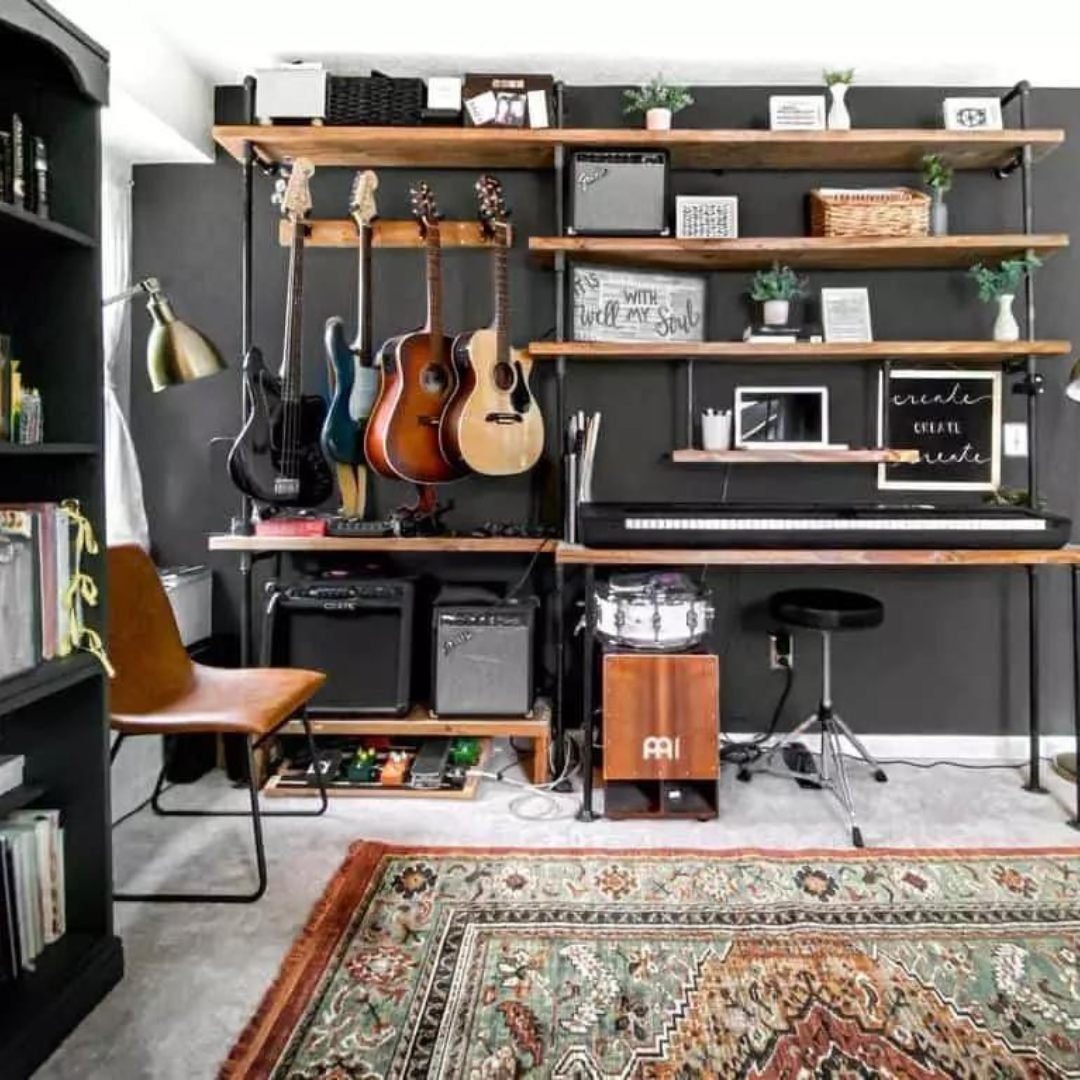
You don’t need a full music studio to enjoy a creative setup—a small section of your living room can easily become a gathering spot for listening, jamming, or hosting guests. Adding simple sound-control elements like wall or ceiling panels helps reduce echo, and a large area rug can soften excess noise while making the room feel more inviting.
Mount instruments in framed displays or use painted accents to bring color and personality to the space. Guitars, vinyl records, ukuleles, clarinets, and saxophones can all double as décor, giving your living area a bold backdrop that reflects your history with music. Showcasing rare records or posters of your favorite bands adds motivation and sparks conversation.
A music nook can also serve as a flexible home office or spare room. Guitarists and pianists can bring the theme into bedrooms with lighting shaped like musical notes or bright floor lamps. Smart lighting, ambient projectors, or voice-activated tunes can add an extra layer of atmosphere that keeps you inspired.
Modern Music Room Lighting

Bring a fresh, airy feel to your music room by letting plenty of natural light flow through large windows. Choose wall colors like soft whites, pale neutrals, light aqua tones, warm reds, or mellow oranges—lighter shades help bounce light around and brighten the area.
A mirror placed near a window can send extra light across the room, giving it a cleaner, more open look. Keep furniture minimal so the space stays calm and free of distractions. If you lean toward classical piano or gentle acoustic sessions, blue lighting or other cool tones can inspire relaxed, thoughtful playing.
Simple furniture works well—think slim pieces with exposed legs to make the room feel larger. A compact seating area or a small coffee table keeps things functional without crowding the space. This lighting-focused approach is a strong way to bring a modern touch to any music setup.
Piano as Your Room’s Centerpiece
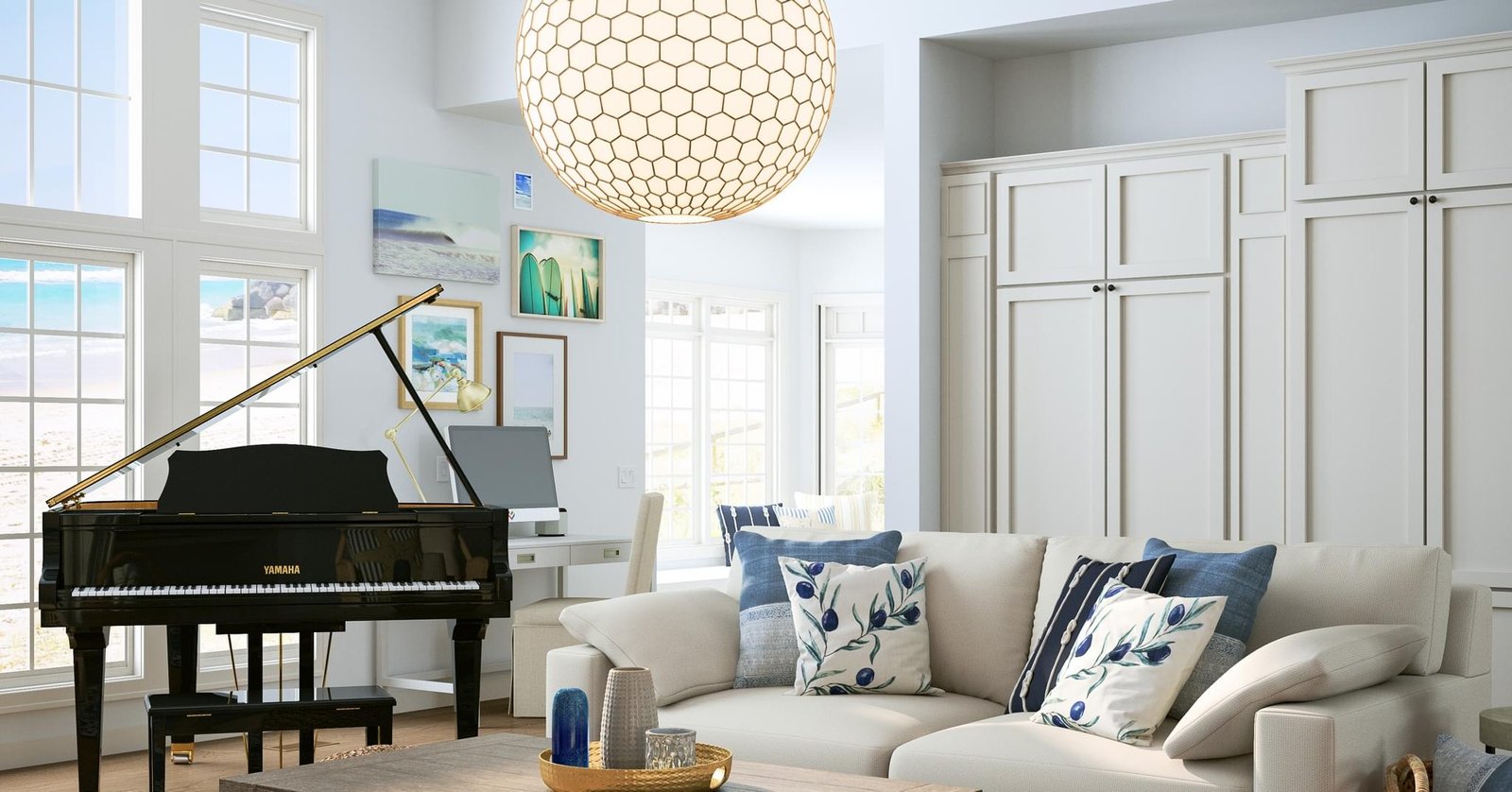
A piano naturally draws attention, and even though it occupies a good portion of the room, it brings an elegant presence that can last for generations if well cared for. Choose a quality instrument, then build the room’s mood around it with vinyl records, soft accent lighting, or retro-style décor pieces.
Regular tuning keeps the piano performing well. To emphasize it visually, place a patterned rug beneath the instrument for contrast and warmth. You can also add charm by hanging a chandelier above it or using a slim floor lamp and wall sconces to highlight the area without overwhelming the space.
If your main instrument is a violin, flute, or anything requiring a stand, keep the layout simple so writing new compositions feels natural and distraction-free. A straightforward color palette helps the room feel refined while keeping the focus on your music.
Use a Drum Shield for Sound Control
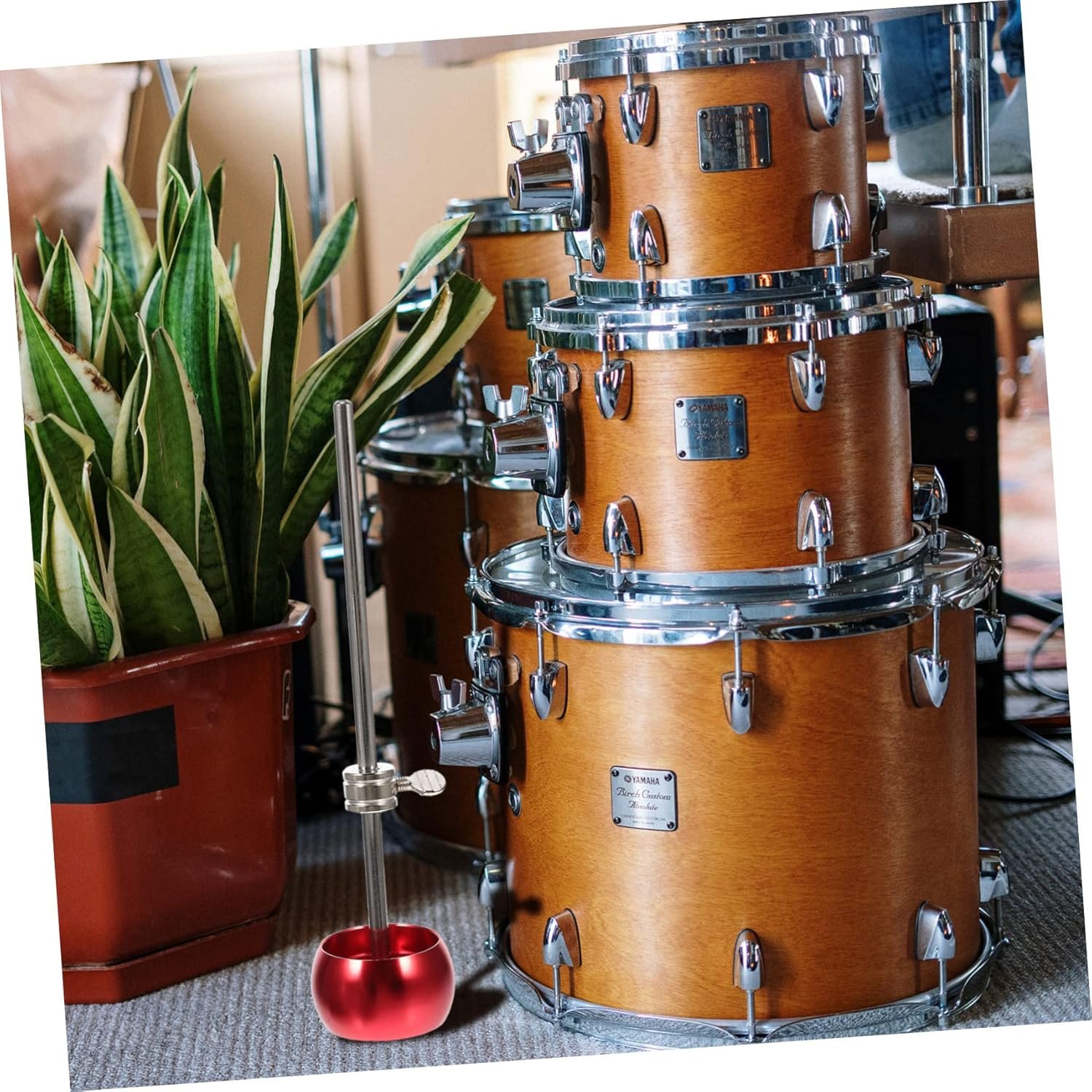
A clear Plexiglas drum shield is a practical way to manage noise levels in a home music room. It keeps the sound from spreading too widely, helping your space feel more controlled and steady during practice or recording sessions. The shield also limits bleed from the snare and toms, giving you cleaner audio and better balance overall.
With this simple addition, you can turn an extra room into a workable recording spot without overwhelming the rest of your home.
Exposed Brick for Better Acoustics
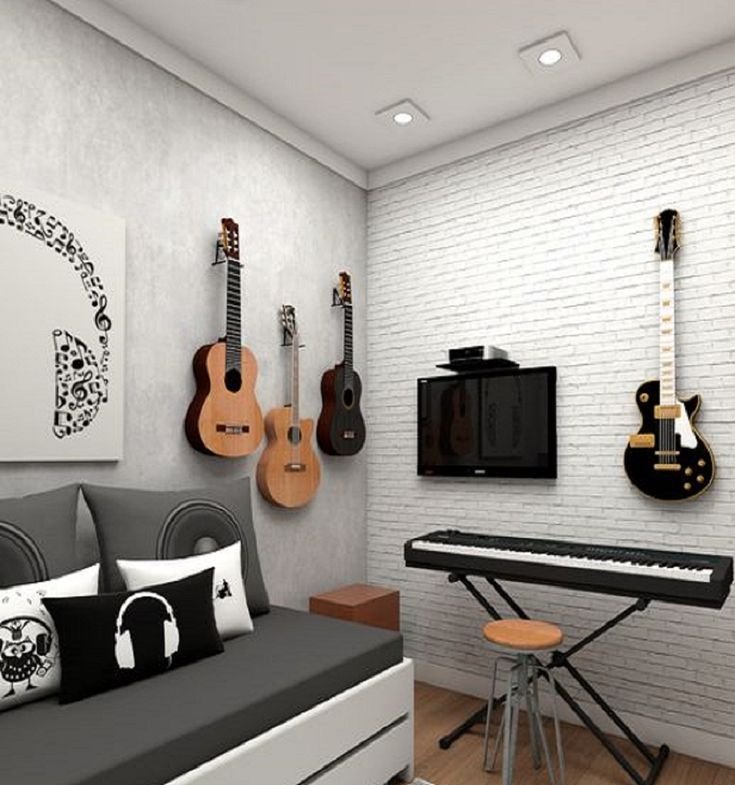
Exposed brick can help steady your room’s sound while giving it a cool, urban edge. The texture of the brick surface naturally diffuses audio, making the space feel more controlled during practice or recording. It also doubles as a strong visual feature, bringing character without much effort.
To enrich the setup, hang guitars or other instruments on the wall and add simple hanging bulbs for a warm, understated glow. This combination creates a music space that feels stylish, practical, and ready for any session.
Compact Shelving for Music Rooms
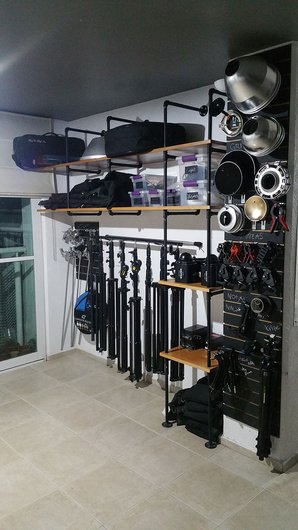
Compact shelving gives you plenty of space to organize instruments, books, and décor without crowding the room. Sturdy furniture keeps everything supported while helping the space stay neat and easy to move around in. Cube shelves are especially handy for albums and small accessories.
Use guitar wall mounts or a stable stand to keep instruments off the floor and safely displayed. Collectibles from music shops can add character without overwhelming the setup. Most instruments—especially solid-wood guitars—hold up better when stored in their cases for longer stretches, since moisture and temperature shifts can affect them over time.
Room Dividers for Music Spaces
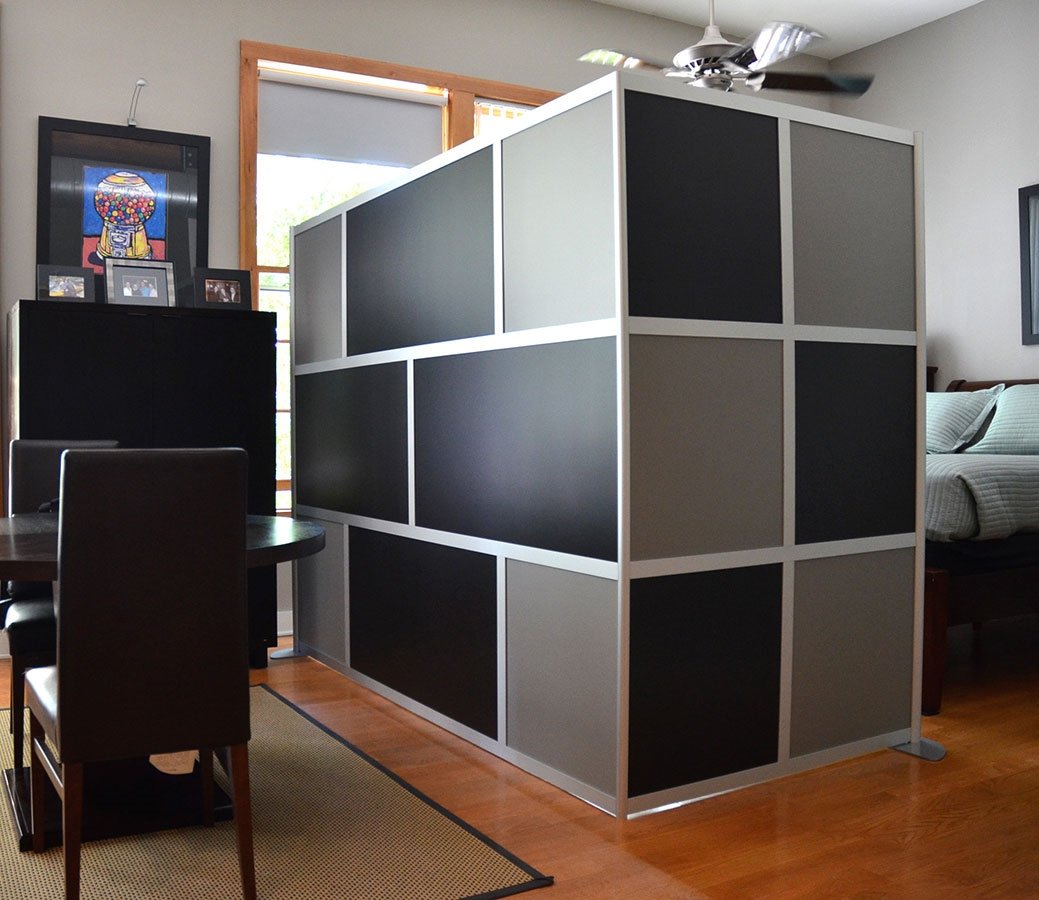
Room dividers are a simple way to carve out a dedicated music zone inside a larger area. Whether you’re creating a flex room with mixed uses or separating acoustic gear from electric setups, thicker dividers help soften sound and give each section its own purpose. They also offer a bit of visual structure, making the space feel more organized and easier to work in.
Hide Music Gear with Style
Large amps, speakers, and other gear don’t have to disrupt your music room’s look. Choose equipment finishes that blend with your décor, along with furniture pieces and artwork that already fit your style. This helps the room feel cohesive without sacrificing function.
You can keep abstract art, vases, and other accents—just match them with brighter lighting to keep the space clear and energizing. Natural light from big windows works well, and adding a mirror beside the window can bounce extra brightness across the room. With a bit of thoughtful placement, your equipment becomes part of the design rather than a distraction.
Comfy Seating for Music Rooms
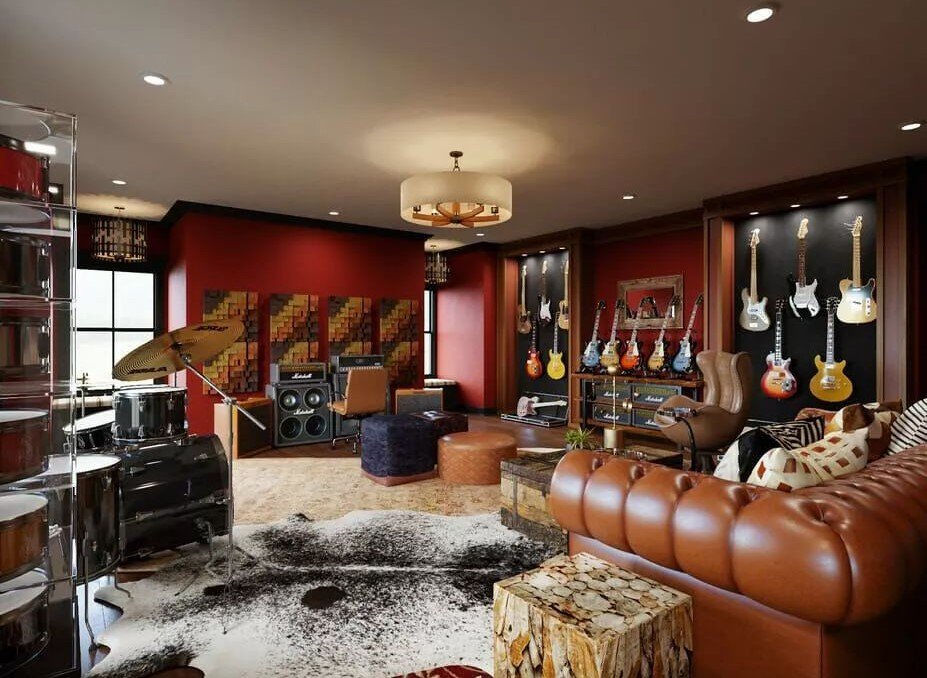
Creativity flows easier when you’re relaxed, so adding cozy seating can elevate your music room instantly. A cushy chair, compact lounge seat, or soft bench gives you a calm place to write, listen, or rehearse without feeling stiff or distracted.
Comfortable furniture also helps soften sound in the room, giving you a smoother atmosphere for practice or recording. Choose pieces that fit your style and keep the space open enough for instruments and movement.
Repurpose Old Music Gear

Old or worn-out music gear doesn’t have to end up in the trash—you can turn those pieces into fun, functional décor that adds personality to your music room. It’s an affordable way to surprise guests while giving the space a creative, music-inspired edge. These transformed items often spark stories and bring back meaningful memories.
You can also shape part of the room into a listening corner, complete with comfy seating and a stack of your favorite records. This gives you a calm spot to enjoy music even on days when inspiration runs low.
An acoustic guitar can be turned into a CD holder or a small table. A bass drum, cello, or even a piano frame can be reimagined as practical furniture. That old clarinet in the attic? It might make a quirky, eye-catching vase.
Simple Home Performance Stage

A home performance spot doesn’t need elaborate construction. A rug placed in the center of the room, a cozy seating cluster that naturally draws attention, or a small raised platform in one corner can all serve as a personal stage. Each option brings a concert-like feel without demanding heavy upgrades.
You can brighten the setup with a large mirror or a wide window nearby to spread light through the area. Add hanging lights, laser-style effects, or wall sconces to give the space extra energy during practice or small at-home shows. It’s an easy way to close each session with a bit of flair right inside your music room.
Bookshelves for Better Acoustics

A music room can double as a home library, giving you extra function and better acoustics at the same time. Bookshelves filled with novels, music encyclopedias, or biographies naturally break up sound waves, helping the room feel smoother during practice or recording.
This setup works especially well if you play with a full band, since the varied shapes and depths of stacked books help calm harsh reflections. It’s a smart, space-saving idea for smaller homes, making your music room both practical and inviting.
FAQs
What type of seating is best for a music room?
Seating should strike a balance between comfort and mild sound control. Soft chairs, sofas, and ottomans help reduce echo, while an adjustable bench or stool works well for active playing. Digital room-planning tools can help you test layouts before settling on one.
What is the 38% rule of room acoustics?
This guideline suggests placing your main listening seat roughly 38% into a rectangular room from either the front or back wall. This placement often delivers a smoother bass response by avoiding heavy peaks and dips.
What flooring is best for a music room?
A mix works best. Hard flooring like wood or concrete adds lively reflections, but pairing it with thick rugs helps calm reverb and soften harsh bounce. This blend creates a steadier sound profile.
What is the golden ratio for a music room?
In acoustics, the golden ratio refers to room dimensions that help scatter sound evenly. A common setup is 1 (height) : 1.6 (width) : 2.5 (length). These proportions can lessen echo clusters and minimize dead pockets.
What is the best color for a music room?
Choose colors based on the atmosphere you want. Darker tones like navy or charcoal bring focus, softer blues or greens offer a calm creative feel, and warm shades can add energy during upbeat sessions. Pick a tone that keeps you inspired.