
The human mind hides layers of emotion, memory, fear, and desire that shape every thought and action. The 5 best psychoanalytic books open a clear path into those hidden layers and help readers understand why people think and behave the way they do. Great psychoanalytic writing goes beyond theory.
It reveals the deep forces behind dreams, childhood experiences, defense mechanisms, trauma, and relationships. Some books explain classic ideas from pioneers like Sigmund Freud and Carl Jung, while others offer modern insights that feel practical and relevant today.
Readers who enjoy psychology, self-discovery, therapy concepts, or deep character studies often find these books fascinating and useful. Each title on this list offers a unique way to explore the unconscious mind and understand human behavior on a deeper level. This guide helps you pick the right psychoanalytic book for insight, learning, and personal growth.
5 Best Psychoanalytic Books
Our Top 5 Best Psychoanalytic Books Reviews – Expert Tested & Recommended
1. Psychoanalytic Diagnosis: Understanding Personality Structure in Clinical Practice
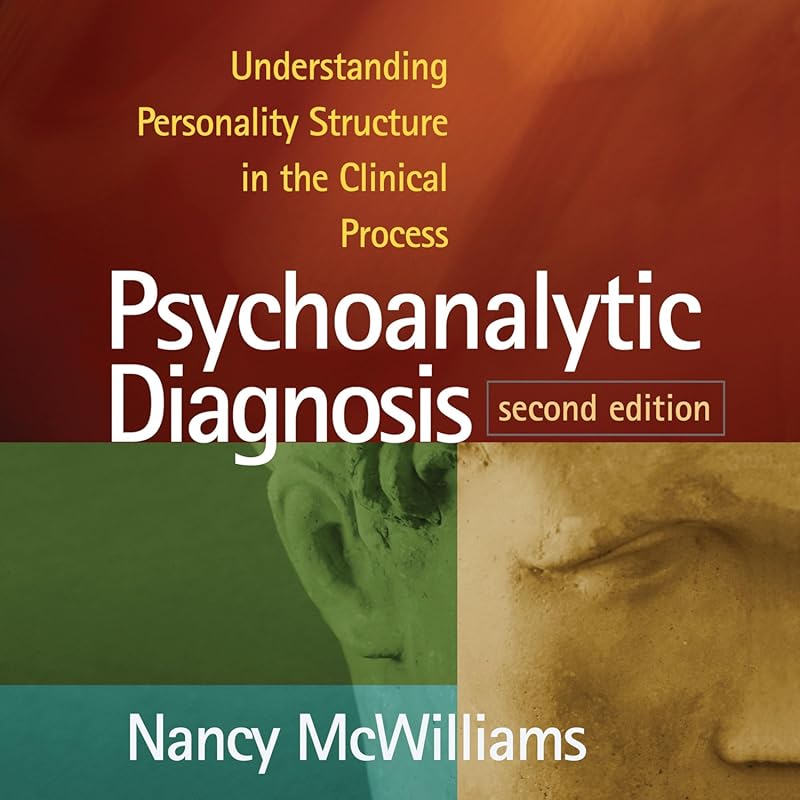
This book stands out as a cornerstone in modern psychoanalytic training. Written by Nancy McWilliams, it bridges theory and practice with remarkable clarity, making it ideal for clinicians who want to deepen their diagnostic skills beyond surface-level symptoms.
Key Features That Stand Out
- ✓ Comprehensive framework for understanding personality organization
- ✓ Integrates developmental psychology with clinical assessment
- ✓ Accessible language without sacrificing theoretical depth
- ✓ Widely used in graduate programs and professional training
Why We Recommend It
McWilliams’ approach is both compassionate and scientifically grounded. She helps readers move beyond labels to truly understand the inner world of their clients, making this book invaluable for anyone serious about psychodynamic therapy.
Best For
Clinical psychologists, counselors, and graduate students seeking a deep, practical understanding of personality structure from a psychoanalytic perspective.
Pros and Cons
Pros:
- Exceptionally clear and well-organized
- Balances theory with real-world application
- Respected by professionals across theoretical orientations
- Includes case examples that enhance learning
Cons:
- May feel dense for complete beginners
- Limited focus on non-Western cultural contexts
Customer Reviews
“I know some people will reject this book because ‘Psychoanalytic’ is in the title. Others will reject this book because ‘Diagnosis’ is in the title. However, this essential text is highly useful to all practitioners of any theoretical orientation if they can get past the negative stereotyping.”
“I am thoroughly enjoying this book that I am studying for a doctoral course in clinical psychology. Dr. McWilliams begins by explaining why analysts or clinicians diagnosis and then proceeds to developmental levels of personality organization. She writes descriptively and with clarity,”
2. Freud and Beyond: History of Modern Psychoanalytic Thought
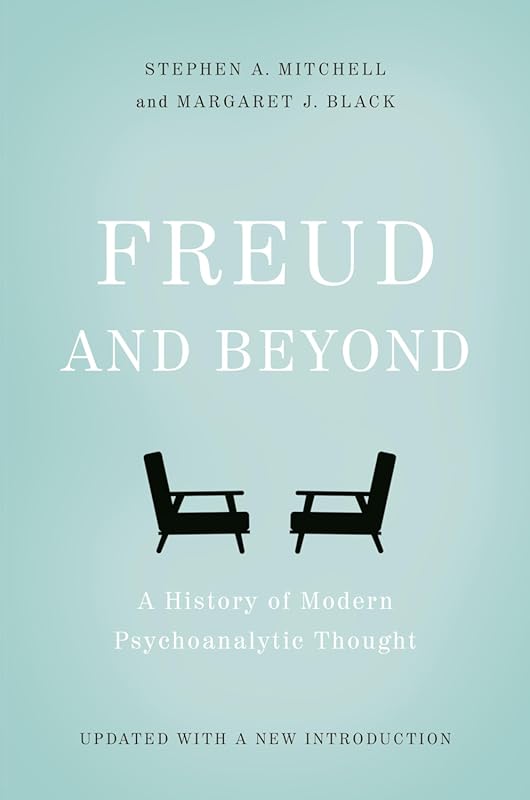
A masterful overview of how psychoanalysis evolved after Freud, this book is perfect for readers who want historical context without getting lost in dense academic jargon. It’s engaging, well-researched, and surprisingly readable.
Key Features That Stand Out
- ✓ Traces the development of psychoanalytic theory from Freud to contemporary thinkers
- ✓ Highlights key figures like Jung, Klein, Winnicott, and Lacan
- ✓ Explains complex ideas in accessible language
- ✓ Ideal for students and intellectually curious general readers
Why We Recommend It
Mitchell and Black deliver a narrative that feels more like a story than a textbook. You’ll finish with a solid grasp of how psychoanalytic thought transformed over time and why it still matters today.
Best For
Undergraduate and graduate students in psychology, as well as lifelong learners interested in the intellectual history of psychoanalysis.
Pros and Cons
Pros:
- Engaging storytelling style
- Covers a wide range of theorists and schools
- Great balance between depth and accessibility
- Includes helpful summaries and timelines
Cons:
- Some niche contributors are omitted
- Could benefit from more critique of Freud’s limitations
Customer Reviews
“Mitchell and Black have written a very readable and comprehensive book on Freud’s theories and those of many of his acolytes. However, they overlook David Rapaport’s important, but little known article on ‘Activity & Passivity of the Ego With Regards to Reality.’ In this work, Rapaport explores what”
“This is the first book I have read on psychoanalytic thought/theory. I am not formally educated and still found it accessible. The authors assume readers know some Freud basics (which I didn’t–), like what is the id, ego, and superego, drive theory, pleasure principle/death instinct, etc.”
3. Counseling and Psychotherapy Theories: Skills, Strategies, and Techniques

This textbook offers a broad survey of counseling theories including psychoanalytic, cognitive-behavioral, humanistic, and systemic approaches making it a versatile resource for students and practitioners alike.
Key Features That Stand Out
- ✓ Covers all major therapeutic models in one volume
- ✓ Includes practical techniques and case illustrations
- ✓ Structured for easy reference and classroom use
- ✓ Affordable compared to specialized texts
Why We Recommend It
If you’re looking for a single book that introduces you to the full spectrum of psychotherapy—including psychoanalytic foundations – this is your best bet. It’s especially valuable for students on a budget who need comprehensive coverage.
Best For
Counseling and psychology students, especially those taking introductory courses in psychotherapy theories.
Pros and Cons
Pros:
- Excellent value for money
- Well-organized and easy to navigate
- Includes both theory and practical skills
- Used widely in university courses
Cons:
- Psychoanalytic content is less in-depth than dedicated texts
- Some sections feel abbreviated
Customer Reviews
“I was surprised that I got a new book delivered and honestly I’m grateful for it. Since I need this for my psych class and for the career I want to pursue, this was a good buy.”
“This is my textbook for Counseling Theories class. Very systematic. I bought it second hand, but it’s like new. Delivery was quick, too.”
4. Creating a Psychoanalytic Mind: Foundations and Clinical Insights

This book dives deep into ego psychology and modern psychoanalytic technique, offering both foundational knowledge and advanced clinical insights. It’s particularly strong in explaining how analysts develop their professional mindset.
Key Features That Stand Out
- ✓ Focuses on the development of the clinician’s psychoanalytic identity
- ✓ Integrates classical theory with contemporary practice
- ✓ Written by experienced analysts for trainees and professionals
- ✓ Emphasizes self-reflection and countertransference awareness
Why We Recommend It
Unlike many theory-heavy books, this one helps you *become* a better analyst—not just understand the ideas. It’s thoughtful, introspective, and highly relevant for anyone in clinical training.
Best For
Psychoanalytic trainees, early-career therapists, and supervisors looking to deepen their clinical self-awareness.
Pros and Cons
Pros:
- Unique focus on the analyst’s inner development
- Rich clinical examples
- Encourages reflective practice
- Well-regarded in training institutes
Cons:
- Less suitable for absolute beginners
- Narrower scope compared to general theory books
Customer Reviews
“Outstanding, I found this book to be invaluable in terms of my personal growth and training as a psychoanalyst.”
“Great resource on current ego psychology (a technical topic). Well written; students found it interesting.”
5. Psychoanalytic Terms and Concepts: Essential Guide for Practitioners
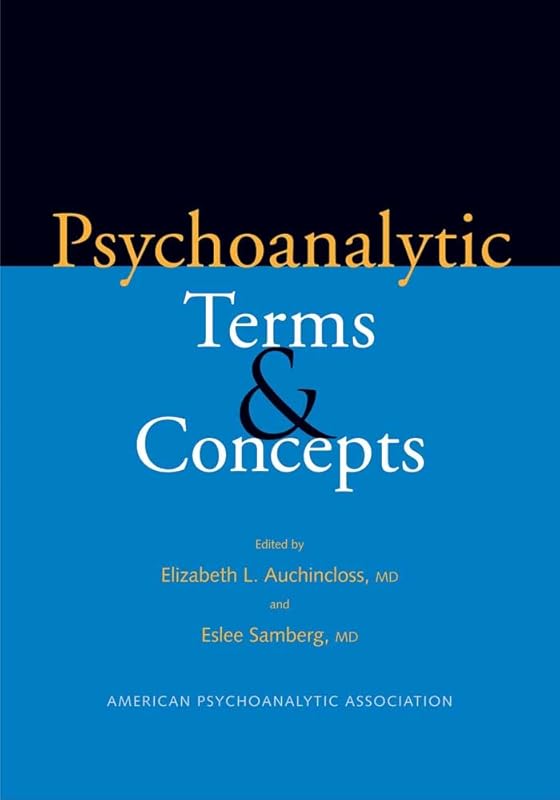
More than just a dictionary, this reference guide clarifies complex psychoanalytic terminology with precision and authority. It’s an indispensable companion for students, clinicians, and educators navigating the often-confusing language of psychoanalysis.
Key Features That Stand Out
- ✓ Over 1,000 clearly defined terms and concepts
- ✓ Authored by leading psychoanalysts
- ✓ Organized alphabetically for quick lookup
- ✓ Reflects contemporary North American psychoanalytic thought
Why We Recommend It
Ever been stuck on what “projective identification” really means? This book cuts through the fog. It’s concise, reliable, and used by professionals worldwide as a go-to reference.
Best For
Students, clinicians, and educators who need a trusted, up-to-date glossary of psychoanalytic language.
Pros and Cons
Pros:
- Extremely thorough and accurate
- Compact and easy to use
- Endorsed by major psychoanalytic institutes
- Regularly updated to reflect current usage
Cons:
- Not a narrative or teaching text pure reference
- Limited discussion of international schools (e.g., British Object Relations)
Customer Reviews
“Very useful reference book for understanding the state of art of the contemporary Northern American psychoanalytical writings. The authors were absolutely right to do not opt for a kind of ‘universal salad’. There are only modest adventures in the fields of either British (Kleinian and Bionian) or d”
“As an informed psychoanalyst, I find regularly reviewing succinct descriptions of the concepts helpful in my ongoing understanding of the psychodynamic forces involved in human experience. Dr. Auchincloss’ Psychoanalytic Terms and Concepts is one of my sources.”
Complete Buying Guide for Psychoanalytic Books
Essential Factors We Consider
When selecting the best psychoanalytic books, we prioritize clarity, clinical relevance, author expertise, and reader accessibility. A great psychoanalytic book should not only explain theories but also show how they apply in real therapy rooms.
We also consider whether the book is widely adopted in academic or professional settings, and whether it offers unique value whether through depth, breadth, or practical tools.
Budget Planning
Psychoanalytic books range from under $20 for student-friendly textbooks to over $50 for specialized clinical references. If you’re just starting out, consider Counseling and Psychotherapy Theories for broad coverage at a low cost.
For serious study or professional use, investing in Psychoanalytic Diagnosis or Freud and Beyond pays long-term dividends in knowledge and skill development.
Final Thoughts
Choosing the right psychoanalytic book depends on your goals: Are you building foundational knowledge? Deepening clinical skills? Or simply satisfying intellectual curiosity? Our top picks cover all these needs and each has been vetted for quality, usability, and impact.
Frequently Asked Questions
Q: Do I need a psychology background to understand these books?
A: Not necessarily! While some texts assume basic familiarity with Freud (like Freud and Beyond), others, such as Counseling and Psychotherapy Theories, are designed for beginners. Always check the description and reviews to match the book to your level.
Q: Are psychoanalytic books still relevant today?
A: Absolutely. While newer therapies like CBT are popular, psychoanalytic ideas continue to influence modern psychology, especially in understanding unconscious processes, attachment, and personality development.
Q: Which book is best for clinical practice?
A: Psychoanalytic Diagnosis by Nancy McWilliams is widely regarded as the gold standard for clinicians applying psychoanalytic concepts in diagnosis and treatment planning.
Q: Can I use these books for self-study?
A: Yes, many readers use these books for personal growth and self-reflection. However, for full therapeutic benefit, we recommend pairing reading with supervision or discussion groups.
Q: Are there digital versions available?
A: Most of these titles are available in Kindle and audiobook formats, making them convenient for on-the-go learning.