
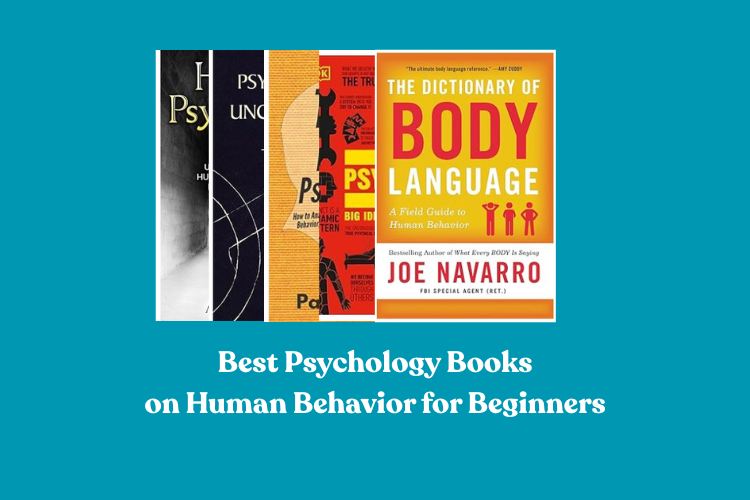
Understanding human behavior can feel like unraveling a complex puzzle. Every action, decision, and reaction holds clues about how people think and feel. For beginners, diving into psychology might seem overwhelming, but the right books make the journey both exciting and accessible.
These books offer clear explanations, engaging stories, and real-life examples that reveal the patterns behind human thoughts and behaviors. Readers discover why people act the way they do, how emotions influence decisions, and what drives social interactions.
Each book serves as a practical guide, introducing core psychological concepts without heavy jargon. Enthusiasts gain insight into themselves and others, improving communication, empathy, and critical thinking.
Exploring these carefully selected titles creates a strong foundation for anyone curious about the mind. Curiosity meets clarity in these pages, turning complex ideas into fascinating lessons on human behavior.
5 Best Psychology Books on Human Behavior for Beginners
1.
Book Overview
About the Author
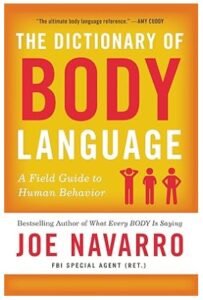
Joe Navarro spent 25 years as an FBI Special Agent. He conducted interrogations of spies and dangerous criminals. This experience made him an expert in observing human behavior. After leaving the FBI, he became a public speaker and bestselling author. His knowledge of body language is recognized worldwide.
What the Book Offers
The Dictionary of Body Language explains more than 400 human behaviors. Each action, from facial expressions to hand gestures, is analyzed. Readers learn how to interpret true feelings, intentions, and thoughts of others. The book works as a field guide, helping people in daily life and professional settings.
Book Categories
Body Language
This category focuses on nonverbal communication. Readers can learn about postures, gestures, and facial expressions. For example, small changes in pupils can show true emotions. Arm positions or thumb placement can indicate confidence or stress.
Social Interaction
The book explains behaviors in social situations. It teaches how to read interest or discomfort in conversations. This knowledge helps in personal relationships, work, and public speaking.
Self-Presentation
Readers discover how to manage their own body language. Using certain gestures or postures can influence how others perceive them. The book provides practical tips to improve confidence and social presence.
Book Features
Detailed Explanations
Each behavior has a clear description and example. The book covers head movements, eye signals, lip movements, arm postures, and even foot positions.
Practical Applications
Readers can apply lessons immediately. They can better understand coworkers, friends, romantic partners, or strangers.
Easy Reference
The book is organized like a dictionary. It is easy to find specific gestures or behaviors. Readers can return to it often for guidance.
Visual Support
Illustrations and examples help beginners understand body language quickly. Even complex behaviors are shown in simple ways.
The Dictionary of Body Language is a perfect start for beginners in psychology. It turns subtle human actions into clear signals. The book helps readers improve communication, build better relationships, and see the truth behind what people say and do.
2.
Book Overview
Introduction to The Psychology Book
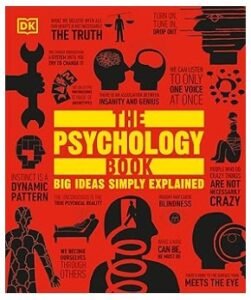
The Psychology Book is part of the Big Ideas series by DK. It presents psychology in an easy-to-follow format. Readers explore more than 100 important concepts in psychology. Each idea includes clear explanations, charts, and timelines to make learning simple.
Target Audience
This book suits beginners, students, and anyone curious about human behavior. Adults can gain a broad understanding of psychology, while students can use it as a study aid. The text is simple, making complex ideas easy to grasp.
Visual Learning
Graphics and illustrations guide readers through concepts. Step-by-step summaries and mind maps explain theories clearly. The visual approach helps readers remember ideas and see how concepts connect.
Book Categories
Key Ideas in Psychology
The Psychology Book covers ideas from the ancient philosophers to modern researchers. It explains the work of important psychologists from the 19th and 20th centuries. Topics include how the mind works, human motivation, emotion, and behavior.
Scientific Concepts Made Simple
Readers learn core psychology ideas with facts, charts, and graphs. Topics include memory, learning, personality, and mental processes. Each concept is explained in a clear layout to avoid confusion.
Psychology for Everyday Life
The book connects psychological ideas to real-life situations. Readers can understand their own behavior and the behavior of others. It bridges theory and practice in a simple, engaging way.
Book Features
Clear Explanations
The Psychology Book uses easy language to explain difficult ideas. Each topic includes examples and summaries to ensure readers understand.
Visual Design
Striking illustrations, diagrams, and timelines make learning fun. Visual aids show how ideas develop and connect. This approach helps readers remember key concepts.
Comprehensive Coverage
The book covers more than 100 ideas in psychology. It presents contributions from famous scientists and philosophers. Modern research and classic theories are included.
Big Ideas Series Benefits
As part of the award-winning Big Ideas series, this book uses graphics and clear writing to make learning easier. Millions of readers worldwide have found it helpful. The series helps readers explore big topics without feeling overwhelmed.
3.
Book Overview
About the Book
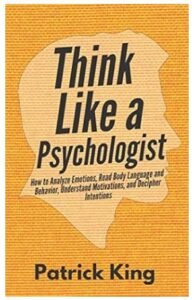
Think Like a Psychologist by Patrick King explains how to understand people through observation and simple questions. It focuses on reading emotions, personality, and motivations. The book teaches you to notice small details in behavior and body language. This helps in predicting how someone might feel or act.
Author Background
Patrick King is an internationally bestselling author and social skills coach. He has sold over a million books. He combines research, coaching experience, and real-life examples to make psychology easy for everyone.
Purpose of the Book
This book shows how to analyze people for better social interactions. It teaches how to reduce conflicts, improve communication, and understand others deeply. Self-awareness also grows as you learn to understand others.
Book Categories
Personality and Character
The book explains different personality traits and temperaments. You learn to identify behavior patterns that reflect a person’s character.
Emotions and Social Cues
Understanding facial expressions, body language, and tone of voice helps read emotions accurately. The book uses simple methods for beginners to notice these signs.
Motivation and Behavior
Motivation theories explain why people act a certain way. This book helps you connect motivations with actions. You can predict behaviors better and understand hidden reasons behind decisions.
Lie Detection
Readers learn basic techniques to detect dishonesty through subtle cues. This section provides practical examples without being overwhelming.
Book Features
Simple Observation Techniques
The book teaches readers to notice details others often miss. Simple questions and small observations provide meaningful insights.
Easy Personality Evaluation
Learn the most common ways to evaluate personalities. The methods are simple but effective, perfect for beginners.
Emotional and Social Intelligence Boost
You can quickly improve your ability to understand emotions and social situations. This helps in friendships, work, and everyday interactions.
Practical Examples
Real-life examples from research and Patrick King’s coaching experience make learning easy. Each concept is explained clearly, without heavy jargon.
Focus on Self-Awareness
Understanding others helps understand yourself. The book shows how analyzing people can lead to better self-knowledge.
4.
Book Overview
Author and Background
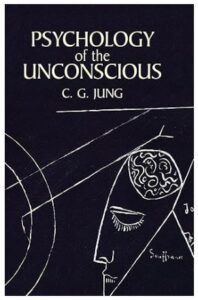
Carl Jung, a Swiss psychiatrist, wrote Psychology of the Unconscious in 1912. He studied under Sigmund Freud but developed his own ideas about the human mind. Jung shifted the focus from mental illness to understanding the unconscious mind. He explored dreams, myths, and literary works to uncover patterns in human behavior.
Purpose of the Book
The book aims to explain why people have certain thoughts and feelings. Jung studied his patients’ fantasies and vivid mental images. He used these to show that the unconscious shapes conscious life. The work introduces the idea of psychic energy, which Jung called libido, and describes how it appears in symbolic forms.
Book Categories
Analytical Psychology
Psychology of the Unconscious falls under analytical psychology. This branch emphasizes creativity and personal growth. It explores archetypes, universal patterns in the human mind that appear in myths, dreams, and stories.
Symbolic Psychiatry
The book also serves as a guide to symbolic psychiatry. Jung analyzed his patient’s mental images to find deeper meanings. This approach looks at symptoms not as problems, but as expressions of the unconscious.
Introductory Psychology for Beginners
Beginners benefit from this book as it presents complex ideas through examples. Stories, dreams, and imagery make it easier to understand human behavior and inner mental life.
Book Features
Insight into Human Mind
Readers learn how unconscious processes influence daily actions. Jung’s study of symbols provides tools to interpret dreams and fantasies.
Case Studies
The book includes detailed patient cases. These examples illustrate how unconscious thoughts and symbols manifest in behavior.
Theoretical Foundations
Jung explains key concepts such as the collective unconscious and archetypes. These ideas form the basis of analytical psychology and help readers understand recurring patterns in human behavior.
Creativity and Growth
The book encourages reflection and personal insight. It shows how understanding the mind can enhance creativity and emotional development.
5.
Book Overview
Understanding the Human Mind
Human psychology combines past experiences, present influences, and physical and chemical reactions. Some books show how emotions, personality, and decisions shape who we are. They do not require deep knowledge of psychology or medical terms. Beginners can read them easily and learn how humans behave in daily life.
Personal Stories and Examples
Many psychology books use real-life stories to explain concepts. Stories of friends, family, or personal experiences make complex ideas easy to grasp. They help readers see psychology in action, not just as theory.
Key Focus Areas
Books for beginners often focus on seven main aspects: emotions, personality, decision-making, morality, perception, behavior, and relationships. These areas cover the main parts of human life. Understanding them gives a simple roadmap to study behavior.
Book Categories
Emotions and Feelings
Books in this category explain why humans feel certain emotions and how they react to them. Readers learn why happiness, anger, fear, or sadness appear in different situations.
Personality and Behavior
These books explore how personality traits influence decisions and actions. They explain why some people act boldly, while others are cautious. Readers can compare traits to themselves or others.
Decision-Making and Morality
Books in this group focus on how people make choices and what guides their sense of right and wrong. They explore logic, biases, and social influence in everyday decisions.
Perception and Relationships
Some books explain how humans see the world and interpret events. Others focus on relationships, showing how communication, empathy, and trust affect interactions.
Book Features
Simple Language
The best books for beginners avoid medical jargon. Sentences are short and clear. Ideas are explained step by step so non-native speakers can understand easily.
Real-Life Examples
Books use everyday life stories to show psychology concepts. This makes the information relatable and easier to remember.
Structured Learning
Books often divide topics into clear sections. Each section focuses on one part of human behavior, like emotions or decision-making. This structure helps beginners study without feeling lost.
Practical Tips
Some books offer advice to apply psychology in real life. Readers learn how to improve communication, understand others, and manage emotions.
Reading the best psychology books on human behavior gives beginners a clear window into the human mind. They combine science, stories, and practical tips to make psychology simple and engaging. These books help anyone understand what makes people tick.
Final Thoughts
Understanding human behavior starts with the right guidance. The best psychology books on human behavior for beginners offer simple explanations, real-life examples, and clear structures. They make complex ideas easy to grasp and show how emotions, decisions, and relationships shape daily life.
Reading these books can improve self-awareness and help understand others better. Beginners gain practical insights while enjoying an engaging journey through the human mind. These books serve as a reliable starting point for anyone curious about why people think and act the way they do.