
Racism continues to shape societies in ways that demand awareness and action. Books have the power to challenge perceptions, reveal hidden truths, and ignite conversations that matter.
The right reads can open minds, foster empathy, and guide readers through the complex histories and realities of racial injustice. Each story in this list highlights voices that have been marginalized, offering perspectives that are often overlooked or silenced.
From personal memoirs to deep historical analyses, these works explore the roots of prejudice and the courage it takes to confront it. Readers will discover lessons on resilience, understanding, and the collective responsibility to build a fairer world.
These five books stand out not only for their insight but also for their ability to spark reflection and meaningful dialogue. Every page encourages critical thinking and pushes toward a society that values equity and respect.
5 Best Racism Books
1.
Book Overview
About the Author
Robin DiAngelo is an antiracist educator and speaker. She has spent years studying racial dynamics in the United States. Her work focuses on how people react when their racial assumptions are questioned.
About the Book
The book explains the concept of white fragility. White fragility occurs when white people feel defensive about race issues. Reactions can include anger, fear, guilt, arguing, or silence. These responses often prevent honest conversations about race. DiAngelo shows that racism is not only about “bad people.” It is a system maintained by behaviors that protect racial inequality.
Key Message
Readers learn why many white people struggle with discussions about race. The book provides insight into how racial biases form and continue. It also suggests ways to engage in conversations about race more constructively.
Book Categories
Education and Awareness
This book fits into educational materials that explain racial inequality. Schools, universities, and workplaces can use it to help people understand racism clearly.
Social Justice
It belongs to social justice literature. The focus is on recognizing racial problems and thinking about solutions. Readers can learn how social systems maintain inequality and how to challenge them.
Personal Growth
The book also falls under personal development. It encourages readers to reflect on their own actions and attitudes. People can grow in empathy and awareness.
Book Features
Easy to Understand
DiAngelo writes in a clear and simple style. Complex ideas about race are explained in short sentences. Readers with basic English skills can follow the content.
Real-Life Examples
The book uses real-life examples of conversations about race. These examples help readers see white fragility in action. Readers can connect ideas to their own lives.
Practical Guidance
The book provides practical advice. It shows how to react better during difficult conversations about race. It encourages readers to think critically and act thoughtfully.
Thought-Provoking
Each chapter challenges readers to reflect. Questions and examples make readers consider their own behaviors and assumptions.
Recognized by Experts
Michael Eric Dyson calls it a “vital, necessary, and beautiful book.” Claudia Rankine notes it helps understand racism beyond just “bad people.”
2.
Book Overview
About the Book
Stamped from the Beginning won the National Book Award. It explores how anti-black racist ideas developed in America. The author, Ibram X. Kendi, shows that racist thoughts were not accidents. They were made to support unfair laws and social rules.
Key Themes
The book focuses on five important thinkers in American history:
-
Cotton Mather, a Puritan minister
-
Thomas Jefferson, a founding father
-
William Lloyd Garrison, an abolitionist
-
W.E.B. Du Bois, a civil rights leader
-
Angela Davis, a modern activist
Kendi shows how each person’s ideas shaped or fought racism. Readers learn how racist ideas worked and how they still affect society today.
Book Categories
History and Society
The book belongs to history and social studies. It explains America’s past and how racism became part of its culture.
Biography
Kendi uses life stories of famous Americans. Readers see how each person influenced racial ideas in different ways.
Education
Teachers, students, and readers interested in social justice can use this book to understand racism deeply.
Book Features
Easy to Follow Narrative
The story moves fast and stays interesting. Kendi uses real-life stories to explain complex ideas.
Research-Based
The book is deeply researched. Kendi includes facts, historical events, and evidence to support his points.
Tools for Change
Readers can spot racist thinking in their own life and society. The book gives hope and guidance to fight discrimination.
Engaging Writing Style
Kendi writes clearly and directly. Short sentences and examples make it easy to read, even for non-native English speakers.
3.
Book Overview
Author and background
Michael Harriot works as a columnist and political commentator. Years of writing sharpened his voice. Research drives his work. Lived experience shapes his point of view. That mix builds trust.
Main idea
The book challenges false history. Black Americans stand at the center of the story. Myths fall apart. Real events take their place. Readers learn how power shaped the past.
Writing style
Humor keeps the tone sharp. Direct language keeps ideas clear. Short sections help readers stay focused. Stories replace lectures. Facts stay strong.
Book Categories
American history
The book retells major events. Familiar names appear. New details change their meaning. Black lives guide the timeline.
Social justice
Issues like racism, power, and erasure run through every chapter. The book explains how those issues still affect life today.
Cultural commentary
Modern references connect past and present. Jokes land with purpose. Insight grows without heavy words.
Book Features
Corrected historical record
Harriot uses primary sources. Black scholars guide the research. Forgotten stories return to the page. Truth replaces legend.
Focus on Black experiences
African Americans appear from the start of the nation’s story. Their actions shape events. Their voices lead the way.
Clear and honest tone
Simple words explain hard truths. No sugarcoating appears. Respect stays firm. Readers feel informed, not preached to.
Engaging structure
Short chapters support easy reading. Each section stands alone. Busy readers can pause and return with ease.
4.
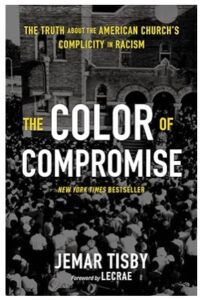
Book Overview
Title and Author
The Color of Compromise comes from Jemar Tisby. He writes as a historian and a Christian voice. His tone stays calm and direct.
Core Message
The book shows how churches helped build racist ideas. History explains the present. Faith leaders and everyday people share responsibility. Action must replace silence.
Writing Style
Clear sentences guide each chapter. Stories support facts. Short sections help readers pause and think.
Book Categories
Historical Racism Books
This title covers early colonial days, slavery, and the Civil War. Jim Crow laws receive clear focus. Civil Rights wins also appear.
Faith and Social Justice
Christian history plays a central role. The book speaks to believers who care about justice. Love and truth guide the message.
Educational Reads for Groups
Book clubs use this title often. Small groups find discussion prompts helpful. Students and lifelong learners gain value.
Book Features
Broad Timeline
Events move from early America to modern movements like Black Lives Matter. Each era connects to the next.
Practical Solutions
Concrete steps appear throughout the book. Readers see ways to build inclusive churches. Courage and speed matter.
Balanced Tone
No shaming appears in these pages. Love drives the call to act. Unity stands as the goal.
Wide Audience Fit
Pastors, leaders, students, and casual readers all find a place here. History lovers gain insight. New learners stay engaged.
5.
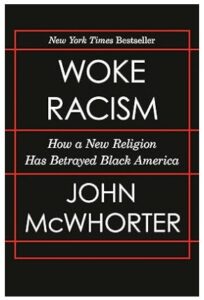
Book Overview
Woke Racism by John McWhorter
John McWhorter stands as a respected linguist and writer. He also writes as a Black American who cares deeply about justice. Woke Racism explores modern antiracism ideas.
The book questions how these ideas work in real life. McWhorter explains how antiracism acts like a religion today. Rules replace debate. Fear replaces open talk. Mistakes lead to public shame.
The book explains ideas like white privilege and cancel culture in clear terms. Stories and examples help readers understand fast.
McWhorter shows how some policies hurt Black communities instead of helping them. He argues that low standards harm students. Pity blocks progress. Good intent does not always lead to good results.
Book Categories
Social Justice and Race
This book fits well in social justice reading. It looks at race through a practical lens. Facts matter more than slogans. Readers see how ideas shape schools, jobs, and public talk.
Cultural Criticism
Cultural habits play a big role in the book. McWhorter studies how language shapes belief. He explains how social pressure controls speech. Culture wars appear through real examples, not theory.
Modern American Society
American life sits at the heart of this work. Politics, media, and daily talk all appear. The book explains why many people feel scared to speak. It also explains why many feel confused.
Book Features
Clear and Simple Language
Short sentences make ideas easy to follow. No complex theory fills the pages. Readers with basic English can understand the message.
Real Examples
Stories from schools, media, and public life appear often. These examples help ideas feel real. Abstract talk stays low.
Balanced View
The author supports justice and fairness. He also criticizes ideas that fail. This balance builds trust with readers.
Practical Guidance
The book offers ways to speak with friends and family. Scripts help readers explain ideas calmly. Hope stays present from start to end.
Focus on Real Help
McWhorter points toward solutions that lift people up. Personal growth and strong standards matter. Respect replaces pity. Progress feels possible again.
Final Thoughts
Good books help people think with care. Honest writing builds understanding without fear. Clear ideas matter more than loud opinions. Strong authors explain hard topics with respect and logic. Readers gain confidence through calm discussion and real examples.
Simple language keeps the message open to everyone. Thoughtful reading supports better talks at home, school, and work. The Best Racism Books do not push guilt or shame. These books encourage fairness, truth, and growth for all people.