
The Renaissance reshaped art, science, and human thought across Europe. Great books from this era capture curiosity, courage, and bold ideas. Readers meet artists, thinkers, rulers, and rebels who challenged limits.
Stories reveal workshops, courts, studios, and streets alive with debate. History feels close through letters, dialogues, and vivid narratives. Each selection on this list offers clear prose and rich context. Some titles focus on towering figures such as Leonardo and Michelangelo.
Other works trace everyday life, faith, politics, and power. Together, these books build a doorway into a restless age. Curiosity grows as pages connect art to anatomy, maps to oceans. Young scholars and casual readers both find entry points here. Insight deepens without heavy jargon or dull timelines.
The journey promises wonder, conflict, and discovery on every page. This guide invites readers to explore influence, innovation, and ambition through memorable writing and thoughtful storytelling rooted in history itself.
5 Best Renaissance Books
1.
Book Overview
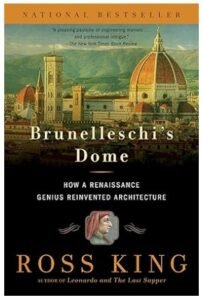
Brunelleschi’s Dome by Ross King
This book tells the story of the famous dome of Santa Maria del Fiore in Florence. The city announced a public contest in 1418. Leaders wanted a plan for a massive dome. No one knew how to build it. Traditional methods failed. Flying buttresses did not fit the design.
Filippo Brunelleschi entered the contest. He worked as a goldsmith and clockmaker. He lacked formal training as a builder. His idea shocked the judges. His plan avoided common tools and old rules. Confidence and sharp thinking set him apart.
Years of work followed. Brunelleschi faced doubt, illness, and rivals. He pushed workers and tested new machines. Every step required careful thought. The dome rose slowly above the city. Florence watched history take shape.
Ross King writes with clarity and pace. The book reads like a story, not a textbook. Facts guide each chapter. Human drama fills the space between dates.
Book Categories
Renaissance Architecture
The book fits perfectly in Renaissance architecture. Readers learn how ideas changed building methods. Brunelleschi created new tools and systems. His work shaped modern architecture. Clear explanations help readers understand complex designs.
Historical Biography
Brunelleschi stands at the center of the story. His ambition drives the plot. Personal flaws appear beside great talent. The book shows his struggles with pride and trust. This focus makes history feel personal.
Cultural History
Florence acts as more than a setting. Politics, religion, and art shape every decision. Plagues and wars add pressure. The book explains how culture influenced design choices. This view gives depth to the story.
Book Features
Easy Language and Clear Flow
Short sentences guide the reader. Simple words explain big ideas. Each chapter moves forward with purpose. Non native readers can follow the story without trouble.
Strong Historical Detail
Dates, names, and events stay accurate. The author explains context without confusion. Real problems faced real people. This detail builds trust.
Story Driven Structure
Scenes focus on action and choice. Conflict keeps interest high. Rivalries and failures create tension. Success feels earned, not sudden.
Modern Relevance
Themes still matter today. Innovation often meets doubt. New ideas challenge old systems. Human courage drives progress. The dome stands as proof.
2.
Book Overview
Title and Author
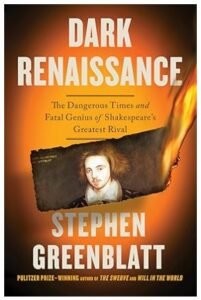
Dark Renaissance: The Dangerous Times and Ideas of Christopher Marlowe by Stephen Greenblatt.
Core Focus
This book tells the story of Christopher Marlowe. He grew up as a cobbler’s son. He gained rare access to education. Latin poetry changed his life. Fear ruled England at that time. The government controlled art and belief. Public shows focused on violence and punishment. Marlowe chose a different path. Writing became his voice. Bold ideas shaped his work.
Historical Setting
Elizabethan England feared outsiders and new thoughts. Religion controlled daily life. Writers faced strict rules. Punishment waited for anyone who crossed the line. Marlowe lived inside this pressure. Risk followed him everywhere. Greenblatt shows this world with clear scenes and simple facts.
Book Categories
Renaissance Biography
This book works as a life story. Greenblatt follows Marlowe from school to fame. Personal choices drive the story. Fear and desire guide his actions. Each chapter builds his character.
Literary History
English literature changed because of Marlowe. His plays broke old rules. Language grew richer. Emotion grew stronger. Shakespeare learned from him. Rivalry pushed both writers forward.
Cultural and Social History
Daily life appears in sharp detail. Censorship shapes art. Religion limits thought. Power controls speech. Greenblatt connects Marlowe’s life to larger changes. Science, trade, and modern thinking begin here.
Book Features
Clear and Simple Language
Greenblatt writes with care. Short sentences guide the reader. Ideas stay clear. Non-native readers can follow the story with ease.
Strong Storytelling
Facts turn into scenes. Tension fills each chapter. The book reads like a story, not a lesson. Curiosity keeps pages turning.
Deep Look at Ideas
Marlowe questioned belief and power. His work explored desire and ambition. Doctor Faustus shows the cost of knowledge. These ideas still matter today.
Human Portrait
Marlowe appears as a real person. Talent and fear live side by side. Love and danger cross paths. Greenblatt shows his inner world without judgment.
Lasting Relevance
Modern society still faces hard choices. Power demands compromise. Progress carries risk. This book connects the past to the present with care and clarity.
4.
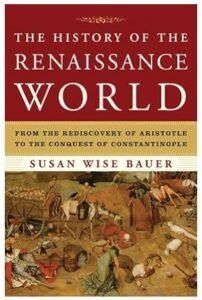
Book Overview
A Story of the Modern World
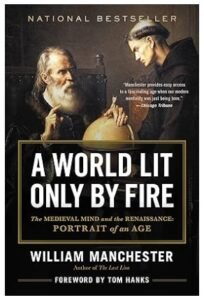
This book narrates the history of the world between 1100 and 1453. It shows how the medieval world shifted toward the modern era. The story begins after the First Crusade and moves through major events such as the rise of the Mongols, the Ottomans, and the Inquisition.
Ordinary people and new leaders emerge. This book does not only list dates and facts but brings characters to life. Readers see the hopes, fears, and struggles of people during a time of great change.
Detailed Research and Engaging Writing
The author presents well-researched history with clarity. Maps and illustrations help readers visualize battles, migrations, and political changes. Complex events become easier to understand. The narrative keeps readers interested by mixing stories of common people and powerful leaders.
Book Categories
Political and Social Change
The book shows how societies transformed. Kings and emperors claimed divine rights, but peasants, religious groups, and workers challenged them. Movements like the Jacquerie in France and the Red Turbans in China highlight social change.
Culture and Knowledge
Aristotelian logic, Greek rationality, and new learning spread during this time. The Renaissance marks the birth of modern philosophy, science, and art. Cultural ideas spread alongside political and economic shifts.
Disasters and Innovation
Natural disasters and new inventions shaped history. The Little Ice Age, the Great Famine, and the Black Death killed millions. New weapons, currencies, and trade systems changed the way people lived. These events made the world unpredictable and exciting.
Book Features
Illustrations and Maps
The book includes 22 illustrations and 96 maps. These visuals make complex historical events easier to follow. Maps show battles, trade routes, and empires. Illustrations bring characters and cities to life.
Memorable Characters
Leaders, warriors, thinkers, and ordinary people all appear in the story. Their struggles and achievements help readers understand the human side of history.
Clear and Engaging Style
The writing uses simple language and short sentences. Readers with basic English skills can follow the story. The author explains complex events without making them boring.
5.
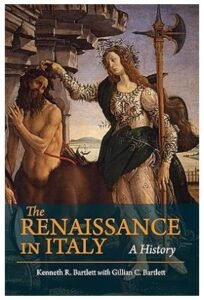
Book Overview
Stories of the Masters
Many Renaissance books focus on famous artists and thinkers. Readers meet Leonardo da Vinci, Raphael, and Michelangelo, learning how they worked and what inspired them. These books highlight the talents and personal struggles of these extraordinary figures.
Life in Renaissance Italy
Some books explore the society and culture of Italy during this period. They show the lives of patrons, nobles, and scholars who supported the arts. Readers can see how politics, money, and social influence shaped the creativity of the time.
Ideas That Changed the World
Books also cover the intellectual achievements of the Renaissance. Writers like Machiavelli and Petrarch introduced new ways of thinking about politics, human nature, and education. These works still influence Western civilization today.
Book Categories
Art and Architecture
Books in this category focus on painting, sculpture, and building design. They show the techniques and styles used by Renaissance artists. Readers learn how masterpieces were created and why they remain important.
Biography and Lives of Great People
Biographical books provide details about the lives of influential figures. They reveal personal challenges, achievements, and the context in which these individuals worked. These stories make history feel alive and relatable.
History and Culture
Books that cover broader history explore society, politics, and cultural developments. They explain how the Renaissance shaped modern Europe. Readers discover the connections between art, power, and everyday life.
Book Features
Clear and Simple Language
Good Renaissance books use easy words and short sentences. They explain complex ideas without confusing readers. Illustrations and examples help readers understand the period.
Detailed Illustrations
Many books include pictures of art, architecture, and historical documents. Visuals make it easier to imagine life in Renaissance Italy and understand artistic achievements.
Engaging Stories
The best books mix facts with storytelling. They describe people, events, and ideas in a way that keeps readers interested. Each chapter reveals new insights into this exciting era.
Educational Value
Renaissance books teach about history, art, and philosophy. They encourage readers to think critically and appreciate creativity.