
Rowing blends strength, rhythm, and focus into one demanding sport. Great books sharpen technique, build mental toughness, and tell powerful stories from the water. Athletes and fans gain insight through coaching wisdom, race strategy, and personal journeys.
This guide highlights standout reads that educate, motivate, and entertain. Each pick offers clear lessons on form, training plans, and race-day decisions. Stories of victory and setback reveal how discipline shapes results.
Practical advice supports beginners, while deeper analysis challenges experienced rowers. Coaches find tools for teaching timing and teamwork. Fans enjoy history, rivalries, and iconic moments. Together, these pages turn hours on the erg or river into smarter sessions.
Readers finish with sharper goals and renewed drive. Explore five titles that earn a place on any rowing shelf. Clear language keeps ideas simple and actionable. Strong voices from coaches, champions, and historians guide every chapter. This list saves time and points readers to proven value.
5 Best Rowing Books
1.
Book Overview
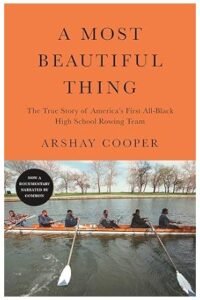
A Most Beautiful Thing
A Most Beautiful Thing tells a true story from Chicago’s West Side. Arshay Cooper grows up around gangs and drugs. Life feels hard and loud. Home feels small. School feels dull. Writing poetry brings quiet moments.
Dreams of cooking bring hope. One day, a boat sits in the school lunchroom. A poster invites students to join the crew team. Curiosity wins. Arshay signs up.
Rowing feels strange at first. Many teammates never swim. Fear shows up often. Practice demands focus and trust. Teamwork starts to grow. Oars move together. Minds change.
The crew travels far from their streets. Ivy League schools welcome them. Racism and doubt still block the path. The team keeps moving forward. Brotherhood forms. Purpose grows.
A documentary later shares this story. Common narrates it. Grant Hill, Dwyane Wade, and 9th Wonder produce it. Filmmaker Mary Mazzio leads the project. The book remains the heart of the story.
Book Categories
Rowing Memoirs
This book fits the memoir category. Real events. Real voices. Honest feelings. Readers follow one person and a full team. The story shows daily life, not just races.
Sports and Social Stories
The book connects sport with social issues. Race. Poverty. Opportunity. Rowing becomes a tool, not a goal. Life lessons matter more than wins.
Youth and Education
Teachers and students often choose this book. Clear language helps new readers. The story shows how schools and mentors change lives.
Book Features
Simple Language
Short sentences guide the reader. Clear words explain hard topics. Non-native readers follow the story with ease.
Strong Characters
Arshay and his teammates feel real. Fear. Hope. Anger. Pride. Each emotion feels honest.
Real-Life Lessons
Teamwork shapes behavior. Discipline builds confidence. Choices create paths. The book shows these lessons through action.
Inspiring Yet Grounded Tone
Hope rises from struggle. No fake drama. No exaggeration. The story stays true and balanced.
A Most Beautiful Thing earns a place among the Best Rowing Books for readers who value truth, heart, and simple storytelling.
2.
Book Overview
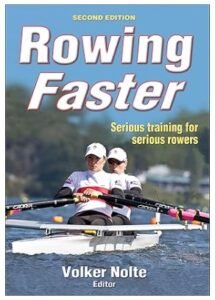
Rowing Faster
Rowing Faster covers the full world of rowing. The book explains stroke phases in clear steps. Each phase links to speed and balance. Training plans focus on strength and efficiency. Racing advice supports smart decisions under pressure. Taper plans help athletes peak at the right time.
Real voices guide the reader. Olympic medalists share lessons from top races. Coaches and sport scientists add proven methods. Global experience shapes every chapter. The book supports long-term growth. Each section builds on strong basics.
Book Categories
Technique and Stroke Skills
This book explains every part of the stroke. Clear diagrams support the text. Simple cues help fix common mistakes. Water feel and timing get strong focus. Technique links to boat speed in real terms.
Training and Conditioning
Training chapters explain how to row faster with less waste. Plans balance strength and endurance. Sessions match different seasons. Recovery gets proper attention. Efficiency stays a top goal.
Racing and Performance
Race strategy appears in clear language. The book explains pacing and mental focus. Taper plans guide athletes toward peak form. Pressure handling feels practical and calm.
Coaching and Team Development
Coaches find guidance on team building. Long-term plans support athlete growth. Advice fits clubs and schools. Leadership and communication get clear space.
Book Features
Expert Voices
Top rowers and coaches share real experience. Olympic insight adds trust. Global views enrich the advice.
Research-Based Content
Sport science supports each method. Adaptive rowing research appears in clear terms. Female athlete training receives proper focus.
Complete Equipment Guidance
Boat types and classifications receive clear explanation. Equipment choices link to performance goals. Technical details stay easy to follow.
Future of Rowing
The book looks ahead at the sport. FISA leadership adds vision. Change and growth feel realistic and grounded.
3.
Book Overview
Title and Author
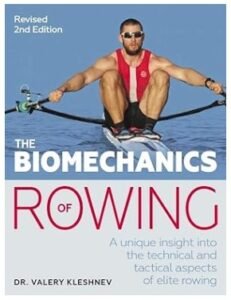
Biomechanics of Rowing comes from Valery Kleshnev. The book released in September 2020. This edition updates earlier research. The author brings over twenty-five years of experience. Elite rowers and coaches shaped the content.
Core Focus
The book explains how rowing really works. Many races get won despite poor technique. This book challenges common beliefs. Facts replace guesswork. Science guides every chapter. Clear logic supports each claim.
Book Categories
Technique and Performance
This book fits readers who want better technique. Movement analysis plays a key role. Stroke efficiency gets strong attention. Small changes matter here. Results come from balance and timing.
Coaching and Training
Coaches gain deep insight from this book. Data helps explain athlete feedback. Training plans improve with facts. Decisions feel easier with proof.
Sports Science and Analysis
Sports science fans enjoy this section. Measurement tools get clear explanation. Performance analysis uses real samples. Millions of data points support the ideas.
Book Features
Data-Driven Insights
The author uses real numbers. Careful analysis supports every topic. Modeling shows how variables interact. Balance stays central. No guesswork here.
Clear Technical Breakdown
Technique sections explain each phase of the stroke. Simple language helps understanding. Diagrams support learning. Logic stays easy to follow.
Practical Topics Covered
Readers learn about ergometer rowing. Equipment and rigging receive attention. Tactical choices also appear. Each topic connects to performance.
Updated Modern Content
This edition reflects recent changes in rowing. New research strengthens the message. Modern tools shape the analysis.
4.
Book Overview
About the Authors
Volker Nolte brings deep rowing science knowledge. Years of coaching shape his approach. Wolfgang Fritsch adds practical coaching experience. Both authors understand masters rowing well. Their writing feels clear and direct. No complex language. No confusion.
Purpose of the Book
The book supports adult rowers at different levels. Beginners learn basics first. Experienced rowers improve technique next. Fitness training receives strong attention. Competition preparation also gets space. Every chapter connects to real rowing life.
Who This Book Helps
Masters rowers gain the most value here. Late starters feel included. Former racers find smart guidance. Coaches also benefit. Training plans suit older athletes. Safety stays a top focus.
Book Categories
Technique and Skill Development
Stroke mechanics get clear explanation. Simple drills support better form. Equipment setup receives attention. Boat balance matters. Oar control improves efficiency. Small fixes lead to better rowing.
Fitness and Conditioning
Training plans match adult bodies. Strength work stays realistic. Endurance training gets balance. Recovery receives respect. Injury risk stays low. Progress feels steady.
Competition and Racing
Race preparation feels practical. Mental focus gets discussion. Training cycles match regatta schedules. Pacing advice stays simple. Confidence grows through structure.
Book Features
Science-Based Training
Research supports every method. No guesswork appears here. Proven principles guide training. Aging athletes receive special care. Facts replace myths.
Easy Language and Clear Layout
Short sections improve reading flow. Clear headings guide the reader. Diagrams support learning. Ideas stay easy to remember.
Practical Tips for Real Rowers
Advice fits club settings. Equipment choices feel realistic. Time limits get respect. Busy lives matter. Training stays flexible.
Support for Coaches
Coaches gain ready-to-use ideas. Session planning becomes easier. Athlete needs guide decisions. Communication improves on the water.
5.
Book Overview
Rowing Science by Volker Nolte
Rowing Science focuses on the technical and scientific side of rowing. Written by Dr. Volker Nolte, a top rowing coach, it shares advice from experts worldwide.
The book combines research with practical training tips. Readers learn about stroke efficiency, fitness, and mental strength. It also covers team culture and injury prevention.
The book suits competitive rowers, coaches, and anyone who wants to understand the sport deeply. Special sections help para rowers, open water rowers, and master rowers. The content explains how body, mind, and environment affect performance.
Book Categories
Technique and Biomechanics
This category focuses on rowing form and efficiency. Rowing Science explains the mechanics of the stroke and how to move smoothly on the water. Athletes learn how small adjustments can improve speed and reduce injury.
Training and Fitness
Books in this category guide physical preparation. Readers explore exercise routines, endurance training, and strength programs tailored for rowing. Rowing Science includes science-based plans to improve stamina and power.
Nutrition and Recovery
Nutrition matters for energy and performance. This book shows how diet affects rowing results. Recovery tips, injury prevention, and mental strategies also belong to this category.
Book Features
Evidence-Based Advice
Every chapter in Rowing Science uses research to support tips. Facts about physiology, metabolism, and muscle performance help readers understand why certain practices work.
Practical Applications
The book doesn’t just explain theory. It shows how to apply knowledge in real life. Rowers can follow exercise plans, adjust techniques, and use mental strategies on water and in training rooms.
Special Groups Focus
Para rowers, master rowers, and open water rowers get specific guidance. Modifications for different abilities and conditions make the book inclusive and useful for many athletes.
Mental and Team Guidance
Success in rowing is not only physical. This book teaches mental toughness and teamwork skills. Building a strong team culture improves performance and motivation.
Expert Knowledge
Dr. Nolte collaborates with world-class scientists and coaches. Readers get insights that are rare in other books. Knowledge comes directly from research labs and top rowing programs.