
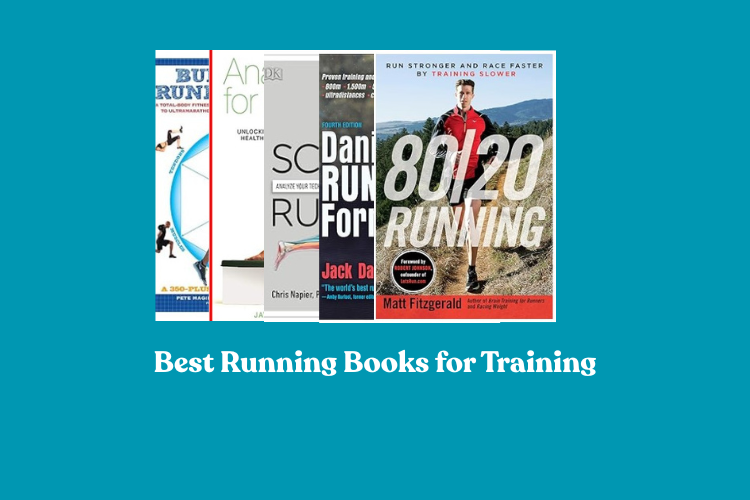
Running offers more than physical fitness; it sharpens the mind, strengthens discipline, and builds resilience. Every runner, from beginner to seasoned marathoner, can benefit from expert guidance and inspiring stories that fuel motivation.
Books on running provide insights into training techniques, injury prevention, mental toughness, and nutrition strategies that help improve performance and enjoyment. They also share personal experiences from elite athletes, revealing the challenges and triumphs of the running journey.
Whether you aim to complete your first 5K, break a personal record, or simply run with more confidence, the right books act as a roadmap for success. This carefully curated list highlights five exceptional running books that combine practical advice, motivational storytelling, and scientific knowledge.
Each title equips runners with the tools to enhance endurance, master pacing, and sustain motivation. Dive in and discover resources that elevate every stride and make running more rewarding.
5 Best Running Books for Training
1.
Book Overview
About the Author
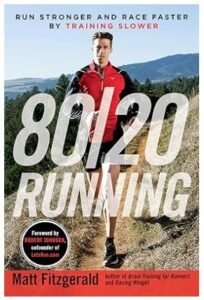
Matt Fitzgerald is a respected running and fitness expert. He has guided thousands of runners and athletes to better performance. His approach is clear, easy to follow, and based on research. Robert Johnson provides a foreword that highlights the book’s value.
Main Idea
80/20 Running teaches a simple but effective principle: 80 percent of runs should be low intensity, and 20 percent should be high intensity. This method reduces fatigue, improves endurance, and makes hard runs more effective.
Audience
The book works for runners of all levels. Beginners can learn how to start training safely. Experienced runners can adjust their routines for better performance. The book also helps triathletes, cyclists, and anyone looking to improve fitness or lose weight.
Book Categories
Training Method
The main focus is the 80/20 principle. Runners learn to balance easy and hard workouts. Easy runs build a strong base, while high-intensity runs boost speed and power.
Race Preparation
Training plans for multiple race distances are included. You can find programs for 5K, 10K, half-marathon, and full marathon. Each plan shows how to schedule runs, rest, and recovery.
Fitness Science
The book explains the science behind training. It discusses why easy workouts are essential and how they prevent burnout. The explanations are simple, with examples to make complex ideas easy to understand.
Book Features
Step-by-Step Training Plans
Detailed schedules guide runners through weeks of training. Each plan shows how to mix low and high-intensity runs.
Easy-to-Follow Language
The book avoids technical jargon. Instructions are clear and short. Non-native English readers will find it simple and practical.
Focus on Enjoyment
Runners learn to make workouts more pleasant. Reducing constant high-intensity effort helps runners feel less tired and enjoy running more.
Science-Based Advice
Every recommendation is supported by research. Readers can trust the methods because they are proven by science.
Versatility
The book suits a variety of runners. Beginners, advanced athletes, and even those training for other sports can benefit.
2.
Book Overview
Author Background
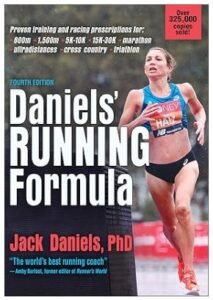
Jack Daniels has over 55 years of experience in coaching runners. He is recognized as one of the best running coaches in the world. Daniels has trained champions like Jim Ryun and Magdalena Lewy-Boulet. He has also earned awards such as NCAA National Coach of the Year. His experience gives runners confidence that the advice works.
Purpose of the Book
Daniels’ Running Formula focuses on improving speed, endurance, and overall performance. The book guides runners from beginners to elite athletes. It explains training principles, workout strategies, and race preparation. The updated fourth edition includes the latest research and practical advice from Daniels’ Run SMART Project.
Book Categories
Training Plans
The book offers 31 proven training plans for different distances. These range from 800 meters to ultradistance events. There are also four fitness running plans. Novices, seasoned runners, and injured runners recovering their fitness can all find a plan suitable for them.
Special Training Types
Daniels explains treadmill workouts, fitness-focused running, and training in high-altitude or challenging environments. Age-related modifications help runners from 6 to 80 years old. Every runner can adjust the program to fit personal needs.
Race Preparation
The book provides guidance for event-specific training. Whether preparing for a short race or a triathlon, runners can design a seasonal plan or follow Daniels’ structured workouts. Advice on pacing, strength, and recovery ensures a balanced approach.
Book Features
VDOT System
Daniels’ VDOT system helps determine proper training intensity. It allows runners to measure fitness and adjust workouts. This method ensures training is efficient and safe.
Workouts and Plans
Each plan includes detailed weekly schedules. Workouts cover intervals, long runs, tempo runs, and recovery days. This variety improves both speed and endurance.
Expert Advice
Daniels shares tips from decades of coaching top athletes. Insights cover nutrition, injury prevention, mental preparation, and goal setting. The advice is easy to follow, even for non-native English speakers.
Practical Tips
The book includes charts, tables, and clear instructions. Beginners can understand the training without confusion. Advanced runners can fine-tune their approach to reach peak performance.
3.
Book Overview
Science of Running
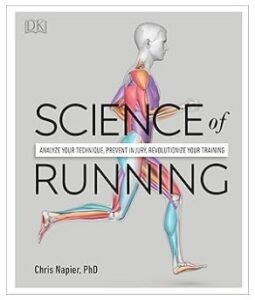
Science of Running teaches how the human body works while running. It explains anatomy and physiology in simple words. Readers learn how each system of the body contributes to running. The book includes details about energy systems, muscles, joints, and bones.
Runners find practical tips on improving gait, flexibility, and speed. Exercises target specific muscles to make the body stronger. The book also shows common injuries and ways to prevent or recover from them. Training plans suit all levels—from beginners to marathon runners.
Expert Insights
Experts share knowledge backed by scientific research. Every step of running is explained with clarity. Readers understand what happens under the skin during a run. Clear CGI images and diagrams show muscle mechanics and movement.
Easy-to-Follow Guidance
The book breaks down complex science into simple steps. Instructions on nutrition, hydration, and energy use make running safer and more efficient. Exercises are explained in a way that anyone can follow.
Book Categories
Beginner Running Books
These books help new runners understand basic techniques. They teach proper form, warm-ups, and simple exercises. Beginners also learn how to start slowly and build stamina.
Advanced Training Books
Advanced runners need books on speed, endurance, and performance. These books provide detailed training plans. They explain how to run longer, faster, and without injuries.
Science-Based Running Books
Books like Science of Running combine research and practical advice. They explore anatomy, physiology, and biomechanics. Readers learn why the body behaves a certain way and how to improve efficiency.
Book Features
Step-by-Step Exercises
Books include exercises to strengthen muscles used in running. Each exercise explains precision and technique. Programs target injury prevention and recovery.
Training Plans
Bespoke training schedules suit all levels. Beginners, casual runners, and marathoners can follow structured routines. These plans improve speed, endurance, and overall fitness.
Illustrations and Diagrams
CGI images and clear diagrams show muscles, joints, and movement patterns. Readers can see the correct form and understand the body better.
Injury Prevention Tips
Books explain common injuries and ways to avoid them. Guidance includes stretching, strengthening, and proper form.
Nutrition and Hydration Guidance
Good running requires proper nutrition. Books cover energy systems, hydration strategies, and fueling before and after runs.
4.
Book Overview
Author Background
Jay Dicharry faced running injuries himself. Doctors could not solve his joint and muscle pain. He studied clinical care, biomechanics, and coaching. His experience combines theory and practice.
Purpose of the Book
The book teaches runners to avoid injuries and train safely. It explains how running affects the body and how the body affects running. Clear instructions help runners understand their form and habits.
Target Audience
The book suits beginners, casual runners, and athletes preparing for marathons. Anyone who wants safer, smarter training can benefit.
Book Categories
Injury Prevention
Exercises and mobility tests focus on preventing injuries. Readers learn why pain occurs and how to avoid it. Correct form reduces strain on joints and muscles.
Performance Improvement
Step-by-step exercises strengthen the core and stabilize the body. Improved form helps runners run longer, faster, and with less fatigue.
Running Science
The book explains biomechanics simply. Readers understand how muscles, joints, and posture affect running. Science-based advice makes training safe.
Book Features
Mobility and Stability Tests
Tests show weaknesses and form issues. They guide corrective exercises. Readers learn what to improve before pain appears.
Corrective Exercises
Photos and simple instructions make exercises easy to follow. Exercises target core strength, stability, and injury prevention.
Running Advice
The book answers common questions about stretching, shoes, and barefoot running. Readers gain practical tips to improve technique.
Easy-to-Follow Layout
Short chapters and clear headings make information simple. Step-by-step instructions guide readers without confusion.
5.
Book Overview
Total-Body Training
Build Your Running Body uses the latest research to target all parts of the body that affect running. Muscles, connective tissue, the heart, energy systems, nerves, and hormones all get attention. The program improves endurance, speed, and comfort while reducing injury risk.
Practical Workouts
This book contains over 150 workouts. Weightlifting, cross-training, resistance exercises, and plyometrics are included. Each exercise has 393 photos showing step-by-step instructions. Beginners and experienced runners can follow the routines easily.
Expert Insights
The book includes interviews with top runners, exercise scientists, and coaches. Readers gain knowledge of how elite athletes train today. This guidance helps anyone plan workouts that match their goals.
Book Categories
Training Programs
Ten programs help runners integrate total-body exercises into daily routines. Programs cover beginners, intermediate, and advanced runners. Plans are flexible, so runners can adjust intensity without overtraining.
Injury Prevention
Exercises focus on preventing common injuries like shin splints, knee pain, and plantar fasciitis. Readers learn rehabilitation methods to recover safely. Tips on barefoot running and stretching debates are also included.
Nutrition and Recovery
The book guides proper eating habits for running. Readers learn about carbohydrates, proteins, fats, and weight management. Over 30 recipes support faster recovery and maintain fitness.
Book Features
Easy-to-Follow Photos
Photos show every exercise clearly. Runners can see exactly how to perform each move safely.
Race Strategy
The book offers tips for the final weeks before a race. It covers pacing, mental focus, and finishing strategies.
Beginner Support
Step-by-step guidance ensures beginners understand exercises, routines, and nutrition. Advice on proper apparel and progress tracking is included.
Science-Based Approach
Every workout links to research in running physiology. Readers gain a clear understanding of why exercises work, not just how to do them.
Final Thoughts
Runners of all levels benefit from having a guide that combines workouts, nutrition, and expert advice. The right book teaches proper form, prevents injuries, and helps improve endurance and speed. Clear instructions, easy-to-follow photos, and practical tips make training more effective and enjoyable.
Build Your Running Body shows that balanced, total-body training works better than simply running longer miles. For anyone serious about improving performance safely and efficiently, these resources are invaluable. Choosing from the Best Running Books for Training ensures every runner has a clear path to reach their goals.