
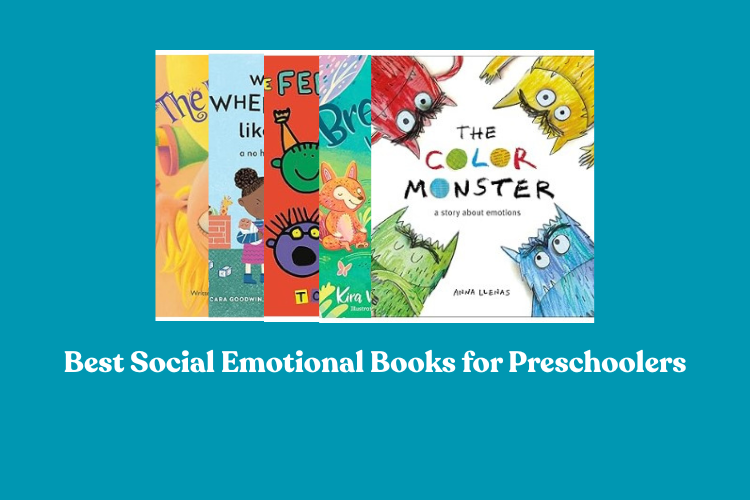
Early childhood shapes not only learning skills but also emotional growth. Preschoolers start to understand their feelings, recognize emotions in others, and develop social skills that last a lifetime. Books designed for social-emotional learning become powerful tools to guide children through these discoveries.
They help young minds identify emotions like joy, frustration, or empathy and show healthy ways to respond. Reading together creates moments for meaningful conversations, allowing children to ask questions and express themselves safely.
Stories with relatable characters and situations provide practical lessons that children can apply in their daily interactions with family, friends, and teachers. Introducing the right books at this stage supports confidence, kindness, and problem-solving.
Choosing books that balance fun and learning encourages children to enjoy reading while developing essential life skills. These five handpicked titles stand out for their ability to nurture emotional intelligence in preschoolers.
5 Best Social Emotional Books for Preschoolers
1.
Book Overview
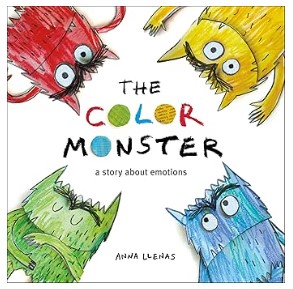
The Color Monster: A Story About Emotions
The Color Monster tells the story of a little monster who wakes up feeling confused. He experiences many emotions at once: happiness, anger, sadness, fear, and calm. A little girl helps him sort out these feelings using colors.
Each emotion has its own color, making it easy for children to understand and recognize their own feelings. The story is short, simple, and engaging, perfect for preschoolers.
This book combines emotional learning with a visual experience. Children see emotions in colors and learn to talk about their feelings. It encourages self-awareness and helps children feel more in control of their emotions.
Book Categories
Emotional Awareness
The book teaches children to identify and name their emotions. Young readers can see that feeling multiple emotions is normal.
Social Skills
Children learn how to express feelings in a healthy way. Sharing emotions helps improve relationships with friends and family.
Educational Activities
The story encourages activities like coloring emotions and art projects. These exercises support both creativity and emotional learning.
Book Features
Easy-to-Understand Language
The text uses simple words and short sentences. Preschoolers can follow the story without confusion.
Visual Appeal
Bright colors and illustrations make the book engaging. Each color matches an emotion, helping children remember and connect with feelings.
Practical Use
Teachers, caregivers, and parents can read this book with children. It is also useful for counselors and therapists to start discussions about emotions.
Series Options
The Color Monster has follow-up books like The Color Monster Goes to School and Dr. Color Monster and the Emotions Toolkit. These books continue teaching emotional intelligence in fun ways.
2.
Book Overview
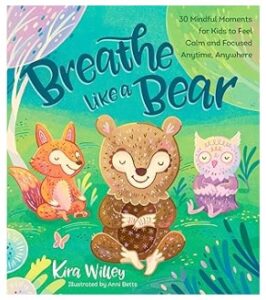
Breathe Like a Bear
Breathe Like a Bear is a colorful book filled with mindfulness exercises for young children. It teaches kids how to manage their breath, body, and emotions.
Each exercise is short and easy to follow. Children can do them almost anywhere at home, school, or even in the car. The book is based on Kira Willey’s Parents’ Choice GOLD Award-winning CD, Mindful Moments for Kids. These exercises encourage kids to find calm, focus, and energy throughout the day.
Book Categories
Mindfulness and Calmness
This category includes books that help children slow down and relax. Exercises in Breathe Like a Bear teach kids how to focus on their breathing and body movements. These activities reduce stress and help children feel safe and calm.
Emotional Awareness
Books in this category help kids recognize their feelings. Breathe Like a Bear guides children to notice emotions like anger, worry, or excitement. Learning to understand feelings supports better communication and social interactions.
Daily Practice and Routine
Books that encourage daily exercises help children build consistency. The short exercises in Breathe Like a Bear can fit into morning routines, homework time, or bedtime. Daily practice strengthens mindfulness habits in a fun way.
Book Features
Easy-to-Follow Exercises
The book contains 30 short exercises that are simple for preschoolers. Instructions are clear and easy to remember. Kids can do them alone or with a parent.
Fun Illustrations
Bright, colorful illustrations make the exercises more engaging. Pictures show children how to perform each activity. Visuals help kids understand instructions quickly.
Portable and Flexible
The exercises can be done anywhere. Families can practice mindfulness in the car, at school, or at home. The portability makes it easy to fit mindfulness into busy schedules.
Encourages Family Involvement
Parents and teachers can join the exercises with children. Shared practice strengthens family bonds and makes learning mindfulness a fun group activity.
3.
Book Overview
About the Author
Todd Parr is a New York Times bestselling author. His colorful illustrations and playful style make reading fun for young children. He focuses on love, acceptance, and celebrating differences.
Story Summary
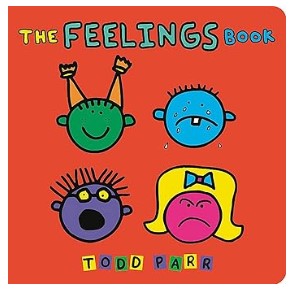
The Feelings Book explores many emotions children feel every day. Readers meet feelings that are silly, brave, or strange. Simple sentences paired with bold, bright illustrations make each page easy to understand. Examples include feeling silly, wanting pizza for breakfast, feeling brave, or trying something new.
Purpose
The book helps children understand and discuss their feelings. It shows that all emotions, whether fun or confusing, are okay. This makes it a great tool for social-emotional learning at home or in preschool.
Book Categories
Social and Emotional Learning
The book focuses on helping children identify and understand emotions. It encourages talking about feelings openly. Kids learn that emotions are normal and everyone has them.
Humor and Playfulness
Todd Parr’s style uses humor to connect with children. Silly situations and funny illustrations make reading entertaining while teaching important lessons.
Inclusivity and Acceptance
The book includes diverse characters and situations. Children see that differences are normal and accepted. This promotes empathy and respect for others.
Book Features
Colorful Illustrations
Bright and bold pictures make emotions easy to recognize. The illustrations capture attention and make reading engaging for young children.
Simple, Accessible Language
Short sentences and easy words make the book readable for preschoolers and non-native English speakers.
Emotion Exploration
The book covers a wide range of feelings. Children can relate to emotions like happiness, silliness, courage, or curiosity. It encourages children to express their own emotions freely.
Bilingual Edition
The Feelings Book / El libro de los sentimientos is available in a bilingual edition. It helps children learn English and Spanish while exploring emotions.
4.
Book Overview
What Toddlers Learn
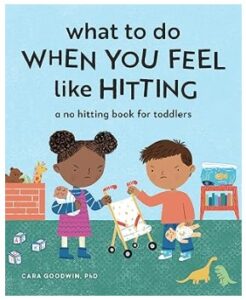
Toddlers are still learning how to speak, play with friends, and understand their emotions. They may feel angry or frustrated and act out. Social emotional books teach kids safe ways to react. One example is What to Do When You Feel Like Hitting. This story shows toddlers that hitting is not okay. Instead, kids learn to express feelings in safe, gentle ways.
Teaching Empathy and Compassion
Books like this help children understand other people’s feelings. They learn that actions have consequences and that being kind makes everyone feel better. Toddlers start recognizing emotions in themselves and others, which builds empathy early in life.
Book Categories
No Hitting Books
These books teach children alternatives to physical reactions. They show actions like hugging a stuffed animal, drawing, or taking deep breaths when upset. Stories use kid-friendly words and focus on understanding feelings, not punishment.
Emotional Expression Books
These stories help children label their feelings. Words like “angry,” “sad,” or “frustrated” become easy to understand. Toddlers learn that expressing emotions with words or safe actions is okay.
Positive Behavior Books
Books that focus on sharing, helping, and kindness encourage good behavior. They show children the benefits of being patient and gentle with friends and family.
Book Features
Alternatives to Hitting
Books suggest ways for toddlers to release anger safely. Kids can squeeze a stuffed toy, scribble on paper, or take deep breaths. These activities teach self-control in fun ways.
Kid-Friendly Language
Simple words and positive messages make stories easy to understand. Children learn without feeling scolded. Words encourage gentle hands, kind actions, and empathy.
Engaging Illustrations
Big, colorful pictures keep toddlers’ attention. Visuals show the actions in the story, helping kids understand the lessons clearly. Illustrations also make reading fun, which motivates children to keep learning.
Social emotional books guide toddlers through the complex world of feelings. They help kids express emotions safely, understand others, and grow kind habits.
Stories like What to Do When You Feel Like Hitting combine easy language, positive lessons, and fun illustrations to teach empathy, self-control, and compassion. Reading these books creates learning moments that last a lifetime.
5.
Book Overview
The Way I Feel
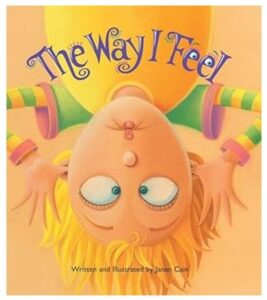
The Way I Feel is a book designed for preschoolers to explore emotions. It uses bright, expressive illustrations and short verses. Each page focuses on a different feeling. Children see what emotions look like and learn the words for them.
This book is recommended by teachers, parents, and mental health professionals. It gives children a vocabulary for emotions and encourages discussion. The illustrations make it easy for kids to relate to the feelings shown.
Book Categories
Emotions and Feelings
Books in this category help children recognize and name emotions. Kids learn words like happy, sad, scared, and angry. Understanding these words helps them talk about what they feel.
Social Skills
Some books focus on social interactions. They teach sharing, cooperation, and kindness. Children see examples of how to treat friends and solve conflicts.
Empathy and Understanding
Books about empathy help children see others’ perspectives. They learn to care about feelings beyond their own. Stories with characters in different situations build compassion and awareness.
Book Features
Simple Language
The words in The Way I Feel are short and easy to understand. Preschoolers can read alone or listen and follow along.
Colorful Illustrations
The images are strong, bright, and expressive. They show emotions clearly. Kids can point to pictures that match how they feel.
Encourages Conversation
Parents and teachers can ask questions while reading. Questions like “How do you feel?” or “What would you do?” help children express themselves.
Builds Emotional Vocabulary
Children learn names for feelings. Naming emotions gives them tools to communicate better.
Final Thoughts
Books that explore feelings and emotions help children grow into understanding and caring individuals. Stories with simple words and colorful illustrations make it easy for preschoolers to recognize and name their emotions.
They also create chances for conversations with parents, teachers, and caregivers, strengthening bonds and communication skills. Using books to teach empathy, self-control, and kindness gives children tools they can use every day. The Way I Feel is just one example, but there are many great options available.
Choosing the right reads ensures children enjoy learning about emotions while having fun. The Best Social Emotional Books for Preschoolers guide children through feelings, helping them express themselves and connect with others in positive ways.