
Cities grow fast, and good ideas shape that growth with purpose and clarity. Urbanism books help readers understand streets, communities, public spaces, and the systems that hold everything together.
Strong writers in this field share real experiences, bold solutions, and deep lessons that guide anyone who cares about how people live and move. These books highlight smart design, social connection, and the role of local culture in shaping vibrant neighborhoods.
Each author presents a clear vision that inspires readers to notice details in their own surroundings. Readers gain practical knowledge, stronger curiosity, and a sharper eye for patterns that define daily life.
Students, planners, and curious minds can use these insights to explore challenges in transportation, housing, and public space management. A well-chosen list opens doors to new ideas and encourages thoughtful conversations about the future of urban living.
5 Best Uranism Books
1.
Book Overview
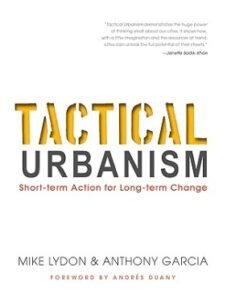
Tactical Urbanism: A Modern Guide
Tactical Urbanism shows how small and low-cost actions can shape better cities. Mike Lydon and Anthony Garcia explore new ways to improve public spaces with short-term ideas. The book highlights a clear history of the movement. It explains how many cities now use quick tests to guide bigger projects.
The authors explore real examples from many places. Raleigh’s wayfinding signs. San Francisco’s parklets. El Paso’s street art project. Each case shows how a simple idea can spark change. The book also gives tools that help readers plan and run their own projects. Simple steps lead to quick wins. Quick wins build trust between people and leaders.
This book offers a strong path for planners, architects, and community groups. Readers gain a deeper sense of how cities grow and adapt. The tone stays realistic, practical, and grounded.
Book Categories
Urban Planning Tools
Some books focus on clear methods and step-by-step guides. Tactical Urbanism fits this style. It gives a full toolkit for small projects in public spaces. Readers see how ideas move from plan to street level. The book also teaches how to adjust plans based on local needs.
Community Design
Another group of urbanism books studies people and public life. These books show how neighbors shape their streets. Tactical Urbanism supports this idea. Local people help run quick projects. Their ideas guide long-term improvements.
City Case Studies
Some books highlight real stories from cities around the world. Tactical Urbanism shows many examples. Pop-up parks, open streets, painted crosswalks, and more. These stories help readers understand what works and why.
Book Features
Clear History of the Movement
The authors explain how the Tactical Urbanism movement grew. The book links this growth to shifts in politics, design, and public life. The story stays simple and direct.
Real-World Case Studies
Each case study shows a clear problem and a direct solution. Readers see how signs, paint, small events, and simple ideas reshape streets. The examples stay short, practical, and easy to understand.
Step-by-Step Toolkit
The toolkit offers clear actions. Test an idea. Measure the result. Adjust the plan. Build local support. The book explains each part in plain words.
Focus on Local Needs
The book teaches readers to study local culture, weather, and habits. Plans work better when shaped for the community. This idea guides every chapter.
Support for New Readers
The writing stays simple. The ideas stay clear. Students, planners, and engaged residents can learn from it without stress. This makes the book friendly for beginners.
2.
Book Overview
Author and Purpose
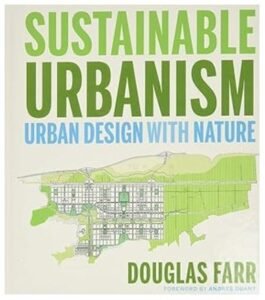
Douglas Farr serves as the chair of the LEED-Neighborhood Development initiative. His work centers on healthy, efficient, and people-focused cities. His book aims to push readers toward more sustainable design. The goal feels clear. Build strong communities. Support nature. Improve daily life.
Main Idea
The book explains sustainable urbanism in a simple way. Sustainable urbanism means walkable places, mixed uses, and strong public spaces. It also means smart buildings and good infrastructure. Farr shows how these pieces fit together. Each chapter builds on this idea.
Why It Matters
Many cities struggle with traffic, pollution, and poor planning choices. Farr shows the root of these problems. He also shows a path forward. Clean streets. Better transit. Strong local shops. Safe neighborhoods. Healthy people. These ideas shape his message.
Book Categories
History of Urban Standards
The book starts with a look at past rules and systems. Old plans shaped today’s cities. Some rules helped. Some rules damaged communities. Farr explains these mistakes. The history helps readers understand why change feels important.
Design and Planning
This part covers key design ideas. Dense areas support shops, transit, and social life. Walkable streets bring people closer. Mixed-use blocks bring homes and stores together. Farr shows how good planning supports people and nature.
Community and Environment
Farr writes about strong neighborhoods. He points to housing variety, car-free zones, local stores, and fair access for all people. He shows how nature supports health. He offers examples like open spaces, stormwater systems, and local food areas.
Global Case Studies
Real places bring the ideas to life. The book includes stories from London, Sydney, Santa Rosa, and Shanghai. Each project shows success in different contexts. Each story teaches readers how design choices shape daily life.
Book Features
Clear Lessons
Each chapter explains ideas in simple steps. Farr guides readers through density, transit, and land use. Readers see how each idea supports sustainable cities.
Practical Tools
The book includes methods for leaders, planners, and community groups. Farr explains how strong communication and leadership help a city grow in a healthy way.
Health and Nature Insights
The book shows why green spaces matter. It highlights clean water systems, fresh food sources, and natural paths. These details connect city life to nature.
Vision for the Future
The epilogue gives a long view. Farr imagines the next 200 years of city growth. The message feels hopeful. Better choices today shape better cities tomorrow.
3.
Book Overview
Intellectual History of Landscape Urbanism
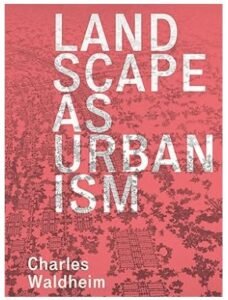
Landscape as Urbanism presents a deep look at how cities and landscapes connect. The book argues that landscape is not just decoration or temporary relief from buildings. It can shape the city itself. Charles Waldheim, a pioneer in the field, shows how landscapes guide urban growth and city planning over centuries.
Timeline of Ideas
The book traces urbanism from the Renaissance to today. It explains how architects and planners used landscape to solve social and ecological challenges. In the nineteenth century, landscape architecture became a “new art,” blending city design with environmental concerns. By the late twentieth century, landscape urbanism filled gaps left by traditional urban planning.
Global Examples
Illustrations show urban projects worldwide. Designers like Frank Lloyd Wright, James Corner, and Adriaan Geuze are featured. Each example explains how landscapes shape human experiences in cities.
Book Categories
Historical Urbanism
Books in this category explore the evolution of cities. They explain how social, political, and environmental factors influenced urban design. Readers learn about trends from the Renaissance, the industrial age, and modern planning methods.
Landscape Urbanism
These books focus on the role of landscape in shaping cities. They show how parks, rivers, gardens, and open spaces influence city life. Landscape as Urbanism is a key example.
Design and Theory
Some books mix theory with real-world design. They explain principles, strategies, and ideas for creating sustainable and livable cities. Readers see how architects and planners make decisions about space, scale, and function.
Book Features
Easy-to-Understand Examples
Books often include illustrations and photographs. These visuals make complex urban ideas easier to grasp. Readers can see designs, layouts, and the effects of urban planning in action.
Global Perspectives
Many books cover cities around the world. This approach shows how urbanism adapts to different cultures, climates, and social needs. It provides a broad understanding of city design.
Practical Insights
Urbanism books explain both theory and practice. Readers learn how ideas can apply to real cities. Projects from history and modern times provide lessons for planners, students, and city enthusiasts alike.
Urbanism books guide readers through the history, theory, and practice of designing cities. They reveal the connection between people, buildings, and landscapes. Landscape as Urbanism stands out as a key resource for anyone curious about how landscapes shape the urban world.
4.
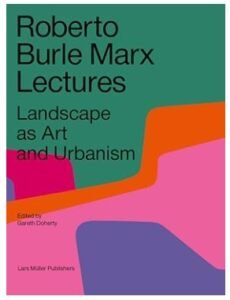
Book Overview
About the Author
Roberto Burle Marx (1909–1994) was a pioneer in landscape architecture. He designed the iconic mosaic walkways at Copacabana Beach in Rio de Janeiro and rooftop gardens in São Paulo. Known for blending art, nature, and urban spaces, Burle Marx left a lasting mark on cities worldwide.
What the Book Offers
The book compiles a dozen of Burle Marx’s lectures, most never published in English before. They cover topics like garden lighting, landscape composition, and ecology, revealing his unique approach to urban design. Readers can see how he viewed gardens not just as decoration but as part of social and ecological change.
Book Categories
Lectures on Landscape Architecture
The main focus of this book is Burle Marx’s speeches. They offer practical and philosophical advice for designing public and private spaces. Each lecture reflects his creativity and deep respect for plants and nature.
Urban Planning and Society
Burle Marx did not design gardens alone. He collaborated with planners like Lúcio Costa and Oscar Niemeyer in Brasília. The book explains how his ideas influenced entire cities and shaped Brazil’s urban identity.
Ecology and Sustainability
Gardens are not only beautiful; they connect people to nature. Burle Marx emphasized ecological balance in urban spaces. This category explains his methods for integrating plants, water, and natural forms into city life.
Book Features
Rare English Translations
Most lectures in this book were never available in English before. Readers can explore Burle Marx’s original ideas without needing Portuguese.
Wide Range of Topics
From technical details about garden lighting to big-picture urban design, the book covers practical skills and philosophy.
Inspirational Design Ethic
Burle Marx’s work demonstrates how landscape architecture can improve society. His vision shows that well-planned green spaces transform cities and lives.
5.
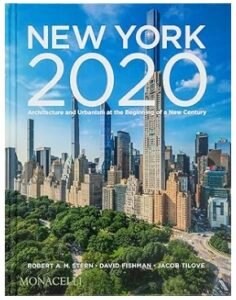
Book Overview
A Comprehensive Record
New York 2020 documents the physical form of New York City. It captures the city’s changes from the year 2000 to the present. Over 1,500 pages, it details more than 3,000 projects, covering everything from tall skyscrapers to smaller residential and civic buildings.
Iconic Projects and Landmarks
Readers can explore landmark structures such as the new Whitney Museum, MoMA expansions, and Lincoln Center upgrades. The book also shows the rebuilding of the World Trade Center site, riverfront parks, and new urban spaces that redefine the city.
Leading Architects Featured
Works from top architects appear throughout the book. Names include Norman Foster, Renzo Piano, Bjarke Ingels, Diller Scofidio + Renfro, Selldorf Architects, Frank Gehry, and Robert A.M. Stern Architects himself.
Book Categories
Architecture and Design
This book belongs to the architecture and design category. It highlights building styles, planning approaches, and urban transformations in New York City.
Urban Planning
New York 2020 serves as a guide for urban planners. It shows how public spaces, parks, and streets integrate into the city fabric. It examines policies, projects, and planning strategies that shaped the city in the 21st century.
Cultural and Historical Studies
The book also fits into cultural and historical studies. It links architecture to social and cultural changes. Readers see how design influences the way people live and interact in urban spaces.
Book Features
Detailed Illustrations and Photos
The book includes hundreds of photos, maps, and illustrations. These visuals bring the city’s transformation to life and make complex ideas easy to understand.
Encyclopedic Coverage
Every building, park, and public space is cataloged with precise details. This thorough approach helps readers understand the scale and scope of urban growth.
Insightful Commentary
Expert commentary explains the significance of projects and architects’ choices. Readers gain perspective on why certain designs succeed and how they influence the city’s identity.
Final Volume in a Renowned Series
New York 2020 concludes Robert A.M. Stern’s celebrated series on the city. It traces New York’s evolution from the Civil War to the modern day, offering a complete view of urban and architectural development.
This book is essential for anyone interested in city life, architecture, or urban planning. Its clear structure, extensive visuals, and expert insights make it a top choice for students, professionals, or casual readers fascinated by cities.
Final Thoughts
Urbanism shapes how people experience cities every day. Books on this topic provide insight into design, planning, and architecture. They help readers see how streets, parks, and buildings influence life in urban spaces. New York 2020 stands out as a detailed record of New York City’s growth over the last 25 years, showing landmark projects, leading architects, and cultural transformations.
For anyone interested in understanding cities better, this book and others like it are invaluable. Exploring these works can inspire ideas, spark curiosity, and deepen knowledge about urban life. Best Urbanism Books guide readers to see the city not just as a place to live, but as a living, evolving organism.