
Virginia Woolf stands as one of the most influential writers of the 20th century, shaping modern literature with her innovative style and profound insights into human consciousness.
Her works explore themes of identity, gender, time, and memory, offering readers a deep and intimate look into the human mind. Woolf’s experimental narrative techniques, especially her mastery of stream-of-consciousness writing, challenge traditional storytelling and invite readers to experience life from unique perspectives.
Each novel she penned carries its own distinct rhythm, emotional depth, and intellectual richness, making her stories both timeless and thought-provoking. From the poignant family dynamics in To the Lighthouse to the intense psychological explorations in Mrs. Dalloway, her books captivate readers with lyrical prose and complex characters.
This list highlights five of Woolf’s most essential works, providing a perfect starting point for anyone eager to immerse themselves in the brilliance of her literary world.
5 Best Virginia Woolf Books
1.
Book Overview
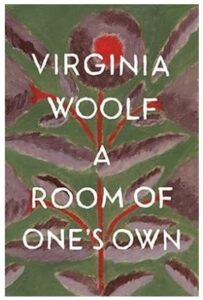
A Room of One’s Own
This essay mixes fiction and fact to explore women’s place in literature. Woolf imagines Shakespeare’s sister and shows how society limits women’s potential. The book asks readers to consider freedom, creativity, and opportunity. It is short but full of powerful ideas.
To the Lighthouse
A novel that examines family life, memory, and change. Woolf uses a stream-of-consciousness style to show characters’ inner thoughts. The story focuses on the Ramsay family and their visits to the lighthouse. This book reveals Woolf’s skill in portraying emotion and human psychology.
Mrs. Dalloway
This novel follows Clarissa Dalloway through a single day in London. Woolf explores time, memory, and social expectations. The book captures life in post-World War I England and blends everyday events with deep reflection.
Book Categories
Essays
Woolf’s essays, like A Room of One’s Own, mix argument and story. They address social issues, especially women’s rights and literature. These books are short and thought-provoking, ideal for readers new to her work.
Novels
Her novels explore life, time, and consciousness. Books like To the Lighthouse and Mrs. Dalloway reveal human emotions in detail. Readers can experience characters’ thoughts as if inside their minds.
Short Stories
Virginia Woolf wrote several short stories. These stories explore similar themes as her novels but in a compact form. They give a clear look at her style and focus on human experience.
Book Features
Thoughtful Themes
Woolf’s books explore social norms, women’s freedom, and human psychology. She mixes reality with imagination to challenge traditional ideas.
Unique Writing Style
Her style uses stream-of-consciousness, which follows characters’ thoughts in real time. This gives readers a direct connection to characters’ feelings.
Accessible Length
Some of her works, like essays and short stories, are brief but rich in meaning. They are suitable for readers who want powerful ideas without long reading times.
Lasting Impact
Woolf’s books continue to influence literature and feminist thought. Her writing remains relevant and encourages readers to reflect on society and themselves.
Virginia Woolf’s books offer both beauty and insight. Essays, novels, and stories provide a wide view of her talent. A Room of One’s Own, To the Lighthouse, and Mrs. Dalloway are essential reads. They reveal her vision, her style, and her belief in the power of creativity and freedom.
2.
Book Overview
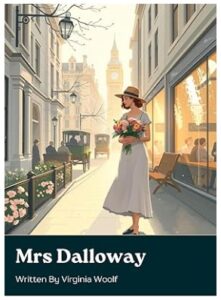
Mrs Dalloway
Mrs Dalloway follows a single day in London, where Clarissa Dalloway prepares for an evening party. Her thoughts wander across memories, relationships, and the choices that define her life.
A parallel story shows Septimus Warren Smith, a war veteran dealing with trauma. Woolf uses her famous stream-of-consciousness style to show inner lives in rich detail. The novel explores love, time, memory, and human fragility.
To the Lighthouse
To the Lighthouse centers on the Ramsay family during their summer on the Isle of Skye. The story captures family dynamics, loss, and the passage of time. Woolf blends internal reflections with the natural flow of daily life. Themes of art, change, and mortality appear subtly but powerfully throughout the book.
Orlando
Orlando tells the story of a character who lives for centuries and changes gender along the way. The novel is imaginative, playful, and reflective. Woolf challenges traditional ideas about time, identity, and society with humor and elegance.
Book Categories
Stream-of-Consciousness Novels
Books like Mrs Dalloway and To the Lighthouse fall in this category. They reveal characters’ inner thoughts and feelings rather than just external events. This style allows readers to experience emotions, memories, and reflections as if they were inside the characters’ minds.
Modernist Fiction
Woolf’s work is a cornerstone of modernist literature. She experiments with structure, time, and perspective. Her novels often break from traditional storytelling, focusing on psychological depth and the fluidity of experience.
Biographical and Historical Themes
Some novels, such as Orlando, mix history and personal narrative. Woolf examines gender, society, and identity across time, blending real events with fictional experiences.
Book Features
Emotional Depth
Woolf’s novels capture subtle emotions. Small moments—like a glance, a memory, or a conversation—carry profound meaning. Readers connect with characters’ joys, regrets, and reflections.
Innovative Style
Her stream-of-consciousness style allows a natural flow of thoughts. The narrative moves seamlessly between past, present, and internal reflections. This style creates intimacy with the characters.
Timeless Themes
Woolf addresses life, death, love, time, and identity. Her insights remain relevant today. Each book encourages readers to think deeply about human nature and society.
Literary Influence
Her works influence countless writers and scholars. Studying Woolf helps readers understand modern literature and the evolution of narrative techniques.
Virginia Woolf’s books remain timeless treasures. Their emotional richness, innovative style, and thought-provoking themes make them essential reading. Mrs Dalloway, To the Lighthouse, and Orlando represent just a few examples of her genius. Each book invites readers to explore the human mind, appreciate the beauty in everyday life, and reflect on what it means to live fully.
3.
Book Overview
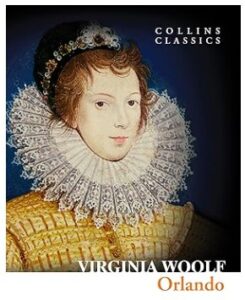
Orlando
Orlando tells the story of a character who lives for centuries and changes gender from a man to a woman. The novel starts in the Elizabethan era and moves to 1920s London. Woolf wrote this book for her lover, Vita Sackville-West.
The story explores love, desire, independence, and identity. Its playful style mixes biography with fantasy. Critics consider Orlando one of Woolf’s most famous works. It became a landmark in women’s fiction.
Mrs. Dalloway
Mrs. Dalloway focuses on a single day in the life of Clarissa Dalloway. The novel examines her thoughts, memories, and emotions. Woolf uses a stream-of-consciousness style to show how the past and present mix in the mind. Themes include society, mental health, love, and loss. The book captures life in post-World War I London and the complexity of human feelings.
To the Lighthouse
To the Lighthouse follows the Ramsay family on a summer visit to their house by the sea. Woolf explores time, memory, and family relationships. The novel shifts between characters’ inner thoughts and outer events. It shows how people change and grow. The book is celebrated for its poetic language and emotional depth.
Book Categories
Women’s Fiction
Books like Orlando and Mrs. Dalloway focus on women’s lives, independence, and relationships. These novels highlight social expectations and personal struggles.
Modernist Literature
Virginia Woolf is a key figure in modernism. Her works, including To the Lighthouse, break traditional storytelling rules. She experiments with time, consciousness, and language to show life in a new way.
Fantasy and Biography Mix
Orlando is unique for combining fantasy with biography. The character travels through centuries and experiences changes in gender and identity. This mix makes the story playful and thought-provoking.
Book Features
Deep Character Exploration
Woolf’s books dive into characters’ minds. Readers understand their emotions, fears, and desires.
Stream-of-Consciousness Writing
Her novels often follow characters’ thoughts and feelings directly. This style gives a personal and intimate reading experience.
Themes of Identity and Society
Her works explore personal identity, gender, love, and social rules. They challenge norms and encourage reflection.
Timeless Appeal
Even decades after publication, Woolf’s novels remain relevant. They speak to human experience, emotions, and society.
Virginia Woolf’s books offer both imagination and insight. From the fantastical Orlando to the emotional depth of Mrs. Dalloway and To the Lighthouse, her stories continue to inspire readers everywhere.
4.
Book Overview
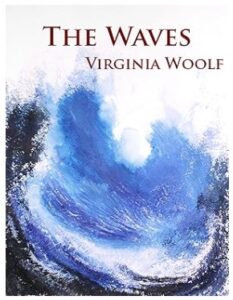
Six Voices of Humanity
Woolf’s novels often follow multiple characters, each with a distinct perspective. In one of her notable works, six narrators take readers from childhood to adulthood. Bernard seeks perfect words, capturing the essence of life through storytelling. Louis struggles as an outsider, seeking success and acceptance.
Neville pursues love in different forms, exploring intense human emotions. Jinny experiences life as a socialite, her beauty shaping her world. Susan finds meaning in the countryside and motherhood. Rhoda faces self-doubt and anxiety, often seeking solitude.
Themes of Consciousness
Virginia Woolf emphasizes the inner world of her characters. She explores how thoughts, emotions, and personal experiences shape reality. These novels focus less on plot and more on human consciousness and perception. This style invites readers to think deeply about life, love, and society.
Reflection of Real Life
Many characters mirror people from Woolf’s life. Bernard reflects traits of E. M. Forster, Louis resembles T. S. Eliot, Neville echoes Lytton Strachey, Jinny is inspired by Mary Hutchinson, and Susan shares qualities with Woolf’s sister Vanessa Bell. Rhoda, the most introspective character, mirrors Virginia Woolf herself.
Book Categories
Psychological Exploration
Woolf’s novels often examine the mind. Characters confront doubts, anxiety, and personal desires. Readers gain insight into human thought and emotional patterns. Books like this help explore how people interact with themselves and others.
Social Commentary
Some works focus on society and class. Jinny’s experiences as a socialite reveal norms, beauty, and privilege. Louis’s struggles show the challenges of outsiders trying to fit in. These novels reflect Woolf’s critique of social structures and expectations.
Nature and Rural Life
Susan’s story highlights life outside the city. Woolf portrays the countryside as a place of reflection and personal growth. This category emphasizes simplicity, motherhood, and connection with nature.
Book Features
Multi-Perspective Storytelling
Readers experience life through multiple narrators. Each character adds depth and variety, making the story richer. This approach allows readers to see events and emotions from different angles.
Emotional Depth
Characters feel real because their emotions are vivid. Anxiety, love, longing, and joy appear naturally. Woolf’s writing captures inner conflicts and personal growth.
Literary Style
Woolf uses flowing prose and stream-of-consciousness techniques. Her sentences move between thoughts and observations. This style creates an immersive reading experience.
Connection to Real People
Characters often reflect Woolf’s friends and family. Readers enjoy noticing parallels between fiction and real life. This adds historical and personal layers to the novels.
Virginia Woolf’s books remain timeless for their insight into human consciousness and society. Her multi-narrator approach, emotional depth, and connection to real life make her work both challenging and deeply rewarding. Each book offers a new perspective on thought, love, and the human experience.
5.
Book Overview
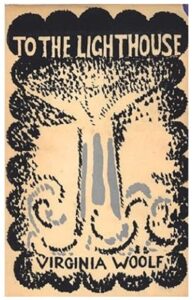
To the Lighthouse
To the Lighthouse tells the story of the Ramsay family and their summer home on the Scottish coast. The family plans a long-awaited trip to the lighthouse, but delays and life events change their plans. The novel moves slowly, revealing the private thoughts and emotions of each character. Woolf uses a stream of consciousness style, letting readers see the world through the eyes of the characters. Themes of love, loss, and memory run through every page.
Modernist Masterpiece
This book represents modernist literature at its finest. Woolf focuses on the small details of daily life. She shows how ordinary moments carry deep meaning. The lighthouse itself becomes a symbol of hope, longing, and the search for understanding. Readers witness the passage of time in a quiet but powerful way.
Book Categories
Family and Relationships
Many of Woolf’s books explore family life and human connections. To the Lighthouse shows the bonds between parents, children, and friends. Conflicts and love emerge naturally. The inner lives of each character are explored with care.
Life and Time
Themes of time and change appear in most of her works. Characters grow older, memories fade, and life moves on. Woolf captures these changes without rushing. Readers experience life’s impermanence through her words.
Emotional and Psychological Depth
Virginia Woolf dives deep into human emotions. Her novels reveal the complexity of thoughts and feelings. Joy, sadness, hope, and regret all appear in her stories. She allows readers to connect with characters on a personal level.
Book Features
Stream of Consciousness
Woolf’s writing often flows like a thought process. This style lets readers enter the minds of her characters. Every emotion and reflection is clear and vivid.
Symbolism
Objects and places carry meaning. In To the Lighthouse, the lighthouse represents hope, memory, and longing. Other elements in her books often symbolize deeper feelings or ideas.
Deep Character Exploration
Each character is carefully portrayed. Readers learn about their fears, hopes, and private worlds. Woolf creates characters who feel real and relatable.
Emotional Impact
Her books stay with readers long after the last page. Simple moments become profound. Woolf’s words often leave a lasting impression.
Virginia Woolf’s books invite readers to think, feel, and reflect. To the Lighthouse captures the essence of her work: the beauty of ordinary life, the passage of time, and the depth of human emotion. Anyone exploring her novels will find a world rich in insight and understanding.
Final Thoughts
Virginia Woolf’s writing opens a window into human thoughts and emotions. Her books explore family, time, and the quiet moments that shape life. Each story shows deep understanding of people and their feelings. To the Lighthouse stands out as a clear example of her skill, but her other works also offer rich experiences.
Readers can enjoy her novels slowly, noticing the small details and the beauty in everyday life. For anyone seeking meaningful and thoughtful reading, this list of the Best Virginia Woolf Books provides a perfect starting point.