
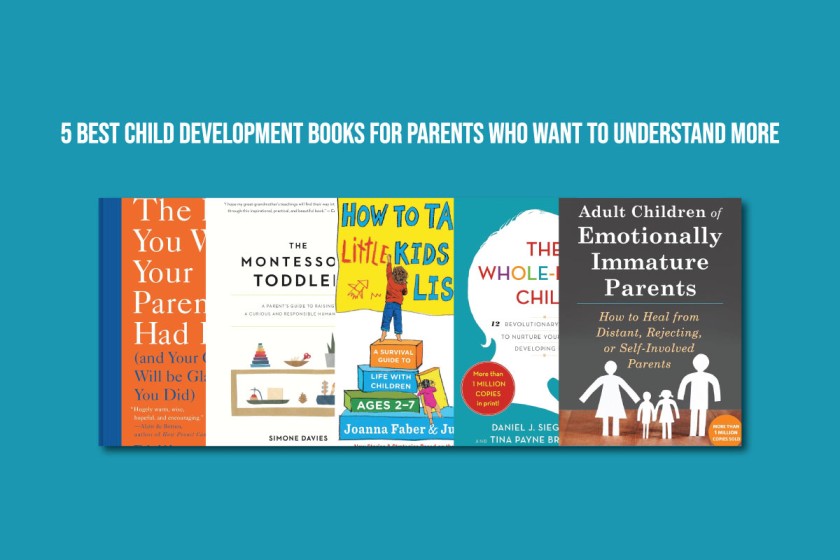
Parenting becomes easier with clear understanding and guidance. The best child development books for parents explain growth, behavior, and emotions in simple terms. Parenting development books help parents support learning and emotional health.
Practical advice fits everyday life. Many early childhood development books also support communication and confidence. This list highlights helpful books that guide parents through each stage of child development.
5 Best Child Development Books for Parents Who Want to Understand More
Book Overview
A Clear Look at Emotional Childhood Wounds
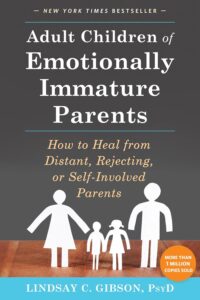
This book talks about parents who lacked emotional care. Some parents stayed distant. Others stayed self-focused. Children in these homes often felt unseen.
The author explains this with simple ideas.
No blame.
No harsh tone.
Readers learn why anger, sadness, or fear still appear in adult life.
A Path Toward Healing
The book shows how emotional pain connects to the past. It also shows how people can respond in healthier ways today. Readers learn how to protect their feelings and build stronger bonds.
Small steps.
Clear thinking.
More calm.
Book Categories
Emotional Development
The book explains how emotions grow during childhood. It shows how missing support affects confidence and trust later in life.
Parent and Child Relationships
Readers learn how different parent styles shape behavior. The book describes four main types of emotionally immature parents in a clear way.
Personal Growth
The pages guide readers toward self-respect and emotional balance. The focus stays on change and self-care.
Book Features
Simple Language
The author uses clear words and short ideas. Readers do not need medical training to understand the message.
Real-Life Examples
The book shares common family situations. Many readers see their own story on the page.
Practical Reflection
Readers find questions and ideas that help them think about their own life. These moments help build awareness and emotional strength.
Book Overview
Understanding the Child Brain
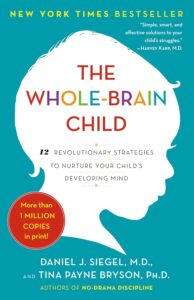
The book explains that a child’s brain grows in parts. One part handles feelings. Another part handles thinking and control. These parts do not always work together, especially in young children.
That explains tantrums.
That explains sudden fear.
That explains silence.
The authors show how adults can help these parts connect.
Everyday Parenting Moments
The book links brain science to daily life. Bedtime stress. Morning rush. Public meltdowns. Each moment becomes a chance to teach calm and trust.
No lectures.
No long theory.
Just clear ideas.
Book Categories
Child Development
The book fits well in child development reading. It explains growth in a way parents can understand and use.
Parenting Guidance
Parents find tools for discipline, comfort, and connection. The focus stays on support, not punishment.
Emotional Health
The book helps parents guide emotions. Children learn how to name feelings and calm themselves over time.
Book Features
Simple Explanations
The authors use short stories and clear examples. Even complex brain ideas feel easy to grasp.
Practical Strategies
The book shares twelve clear strategies. Each one helps parents respond during emotional moments.
Child-Friendly Illustrations
Drawings help explain ideas to children. Parents can show the pictures and talk through feelings together.
Book Overview
Clear Talk for Young Children
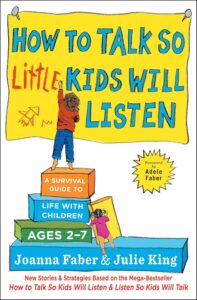
The book focuses on how adults speak to young kids. Tone matters. Word choice matters. Children respond better when adults show respect and understanding.
The authors show how short phrases and kind limits guide behavior. Kids feel heard. Adults feel calmer.
Real Life Problems
The book covers common moments.
Refusing shoes.
Yelling in the car.
Running in stores.
Each problem comes with clear steps. Parents see what to say and what to avoid. No long speeches. No shouting.
Book Categories
Parenting Skills
This book fits well in practical parenting. It gives tools that parents can use the same day. The advice feels realistic and kind.
Child Communication
The focus stays on speech and listening. Adults learn how words affect feelings. Children learn how to express needs without fear.
Early Childhood Support
The book supports children with strong emotions. It also includes guidance for children with sensory needs and autism.
Book Features
Easy Examples
Stories from real families fill the pages. Short scenes show how a small change in words leads to better results.
Simple Tools
The book shares tools like choices, empathy, and problem solving. Parents learn how to set limits with care.
Friendly Design
Cartoons and notes break up the text. Reading feels light and clear, even after a long day.
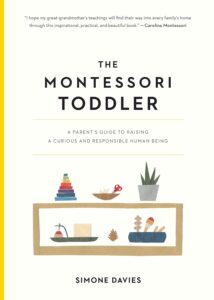
Book Overview
A New Way to See Toddlers
The book invites parents to view toddlers with fresh eyes. Toddlers seek purpose. They want to help. They want to learn.
The author draws from the work of Maria Montessori. Her ideas focus on respect, patience, and trust in the child.
Parents learn why tantrums happen. They learn how calm responses guide behavior.
Everyday Life at Home
The book focuses on real moments.
Meals.
Sleep.
Toilet learning.
Siblings.
Each topic includes clear steps. Parents find simple routines that reduce stress and confusion.
Book Categories
Montessori Parenting
This book fits well within Montessori parenting guides. It explains core ideas in plain language. No background knowledge needed.
Toddler Development
The focus stays on ages one to three. The book explains emotional growth, movement, and independence in this stage.
Home and Family Life
The guide shows how to shape the home for toddlers. Order replaces chaos. Children gain confidence through simple tasks.
Book Features
Practical Home Ideas
Parents learn how to set up low shelves, child-sized tools, and simple activities. These changes help toddlers help themselves.
Calm Discipline Tools
The book shows how to set limits with kindness. No bribes. No threats. Clear words. Steady actions.
Short and Clear Sections
Each chapter stays easy to read. Examples feel real. Advice feels doable after a long day.
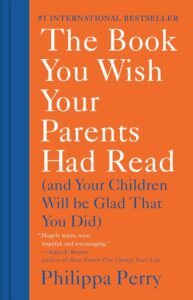
Book Overview
Understanding Emotional Roots
The book explains how early family life shapes adult behavior. Childhood experiences leave marks. These marks affect trust, anger, and closeness.
Philippa Perry uses simple examples. She shows how parents pass habits to children without meaning harm. Awareness helps break these patterns.
Better Relationships at Home
The book talks about parents and children. It also talks about partners and friends. Clear listening matters. Respect matters. Kind words matter.
Parents learn how to support children through strong feelings. Children learn safety through calm adults.
Book Categories
Parenting and Family Life
This book fits parents who want stronger bonds with their children. It focuses on feelings, not rules or charts.
Emotional Health
The book explains emotions in a clear way. Readers learn how feelings work and why they appear.
Relationships and Communication
The ideas apply to many relationships. Couples. Families. Friends. The advice stays practical and real.
Book Features
Simple Language
The author avoids complex terms. Short explanations guide the reader. Each idea feels clear and human.
Real-Life Examples
Stories come from therapy rooms and daily life. These moments feel familiar. Readers often recognize themselves.
Kind and Honest Tone
The book never judges. It invites reflection. It supports growth without pressure.
Final Thoughts
Understanding how children grow, learn, and develop helps parents make informed and confident decisions at every stage. Insightful books offer practical guidance, reassurance, and evidence-based strategies for nurturing healthy emotional and cognitive development. By choosing the Best Child Development Books for Parents, caregivers can gain valuable knowledge that supports stronger relationships, effective parenting, and a positive environment for a child’s overall well-being.