
Exploring the underwater world brings a mix of excitement, mystery, and adventure. Every diver knows that the ocean holds countless secrets waiting to be discovered. Scuba books open doors to these hidden realms, offering knowledge, inspiration, and practical guidance.
From mastering diving techniques to understanding marine life, the right book can elevate a diver’s skills and appreciation for the sea. Some books share thrilling dive stories that ignite a sense of wanderlust, while others provide in-depth lessons on safety, equipment, and underwater navigation.
Reading about the experiences of expert divers or learning about unique ocean ecosystems can make every dive richer and more rewarding. Whether preparing for a first dive or planning advanced underwater exploration, having a trusted scuba book on hand strengthens confidence and curiosity.
This list highlights five essential scuba books that every diver should explore to expand both knowledge and passion for the deep blue.
5 Best Scuba Books
1.
Book Overview
Stunning Photography
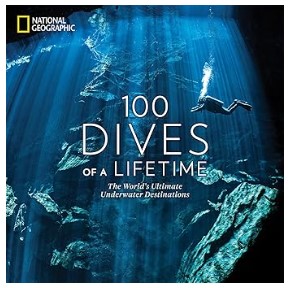
100 Dives of a Lifetime contains over 350 images. Each photo captures marine life, coral reefs, and dramatic underwater landscapes. Readers can see manta rays, hammerhead sharks, and Antarctic ice dives as if they were there.
Expert Advice
National Geographic divers like Brian Skerry, Jessica Cramp, and David Doubilet share tips. They guide readers on safety, diving techniques, and the best times to visit each location. Their advice helps both new and experienced divers plan trips.
Travel Inspiration
The book covers 100 scuba diving sites worldwide. From Mexico’s cenotes to Micronesia’s wrecks, it shows destinations for adventure seekers. Each dive location provides travel tips and what divers should expect underwater.
Book Categories
Beginner Dives
Sites for beginners include calm waters, warm climates, and simple wreck dives. Open water divers can safely explore coral gardens and marine life without difficult currents.
Advanced Dives
Experienced divers can try cave dives, cold-water dives, and night dives. Locations include Belize’s Lighthouse Atoll and Kona, Hawaii. These dives require proper training but offer unforgettable experiences.
Expert Dives
Expert scuba divers can explore ice diving in Antarctica or swim with hammerhead sharks in Costa Rica. These dives demand high skill levels and experience but reward divers with rare sights.
Book Features
Organized by Experience
Each dive site is labeled for its difficulty. Beginners, advanced divers, and experts can quickly find dives suited to their skill level.
Marine Life Guides
The book includes guides to fish, sharks, corals, and other creatures. Divers learn what to look for and how to spot them safely.
Travel Tips
Readers get advice on travel, local guides, equipment, and safety. The book helps divers plan trips from start to finish.
Inspirational Stories
Stories from world-famous divers make the book engaging. Real-life experiences bring underwater adventures to life for readers at home or on a trip.
100 Dives of a Lifetime is a must-read for anyone interested in scuba diving. It offers beautiful images, expert advice, and travel inspiration for divers at all levels. Whether preparing for a dive trip or exploring the ocean from home, this book opens a world of underwater adventure.
2.
Book Overview
Fifty Places to Dive Before You Die
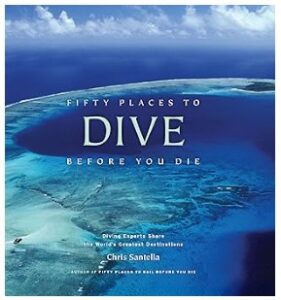
Chris Santella takes readers on a global journey underwater. The book highlights top diving destinations around the world. From the coral reefs of Australia to the shipwrecks in Bikini Atoll, it covers a wide range of experiences. Each location is described with tips from diving experts.
The fifth book in Santella’s popular “Fifty Places” series focuses on the ocean’s wonders. Readers can meet whale sharks off Myanmar, wolf eels in Maine, or giant mola mola in Indonesia. Beautiful photography captures these moments. The book also provides travel tips under “If You Go,” helping divers plan trips safely and enjoyably.
Book Categories
Travel and Adventure
This book falls into the travel and adventure category. It is perfect for divers who want to explore new places. Each chapter focuses on a different destination, giving insight into the local waters and wildlife.
Marine Life Guide
The book also acts as a marine life guide. Readers learn about unusual fish, colorful coral reefs, and other creatures. Learning about marine life helps divers stay safe and appreciate the underwater world.
Expert Advice
Diving experts contribute their knowledge throughout the book. They provide tips on the best time to dive, what to watch for, and how to respect the environment. This guidance helps both new and experienced divers.
Book Features
Stunning Photography
The book features color photographs from top underwater photographers. Each photo captures the beauty and mystery of the ocean. Seeing marine creatures up close makes readers feel like they are diving themselves.
Practical Travel Tips
Every destination comes with practical travel advice. Readers find recommendations on where to stay, how to reach dive sites, and local rules for divers. These tips make planning trips easier and safer.
Wide Range of Destinations
The book covers many famous dive locations, including:
-
Great Barrier Reef, Australia
-
Channel Islands, California
-
Cocos Island, Costa Rica
-
Galápagos, Ecuador
-
Bligh Water, Fiji
-
Lembeh Straits, Indonesia
-
Sipadan, Malaysia
-
Bonaire, Netherlands Antilles
-
Fathom Five National Park, Ontario
-
Milne Bay, Papua New Guinea
Each location offers unique creatures, coral formations, and diving experiences.
Beginner-Friendly
Even beginners can enjoy this book. Descriptions are simple and easy to understand. Photos help visualize the dives, and expert tips guide first-time divers.
3.
Book Overview
Inspiring Travel Stories
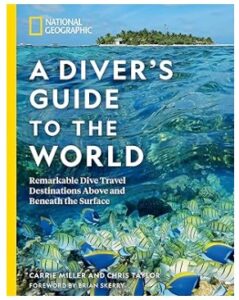
This scuba guide shares stories from 50 incredible diving locations around the world. The authors, Carrie Miller and Chris Taylor, spent over 250 hours underwater exploring each spot. Readers can experience the thrill of swimming with manta rays in Komodo or white sharks and whale sharks in Australia. The book also covers unique locations like North Carolina’s Outer Banks, Okinawa in Japan, and New Zealand’s North Island.
Practical Tips for Divers
Each chapter offers practical advice for planning a dive trip. Tips include traveling with non-diving companions, finding the best dive sites, and combining diving with hiking or road trips. These suggestions make every adventure smooth and enjoyable.
Conservation Through Exploration
The book emphasizes protecting oceans while exploring them. Each location highlights global issues such as coral reef protection, shark conservation, and mangrove preservation. Readers learn how to enjoy the ocean responsibly and support marine life.
Book Categories
Travel Guides for Divers
Perfect for divers who want to explore new destinations, these guides combine adventure stories with travel advice. Readers can plan trips to the Caribbean, France, Japan, or Australia.
Marine Life and Nature
This category focuses on the creatures and ecosystems divers may encounter. From sea turtles and manta rays to coral reefs, the book provides insights into marine life and encourages conservation.
Adventure and Activities
Readers can discover more than diving. The book covers shore dives, hiking, road trips, and cultural experiences. This category is ideal for travelers who enjoy combining diving with other adventures.
Book Features
Stunning Photography
National Geographic photography brings each dive site to life. Readers can see underwater landscapes, vibrant sea creatures, and scenic coastal views.
Expert Advice
Authors Carrie Miller and Chris Taylor share their experience in travel planning, diving safely, and finding unique spots. Their guidance helps both beginners and experienced divers.
Global Inspiration
The book highlights 50 destinations across the world. Each location includes tips, travel stories, and conservation messages, inspiring readers to explore responsibly.
Educational Content
Every chapter teaches something new about the ocean. Readers learn about marine ecosystems, local cultures, and environmental issues while reading compelling stories.
This book is more than a guide. It is a window to the ocean’s beauty, adventure, and the importance of conservation. Divers and travelers will find it both inspiring and practical.
4.
Book Overview
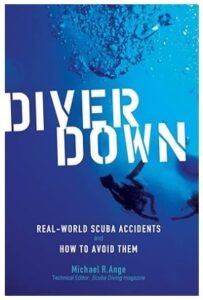
Diver Down: Real-Life Diving Accidents and How to Avoid Them
This book tells true stories of diving accidents. One diver runs out of air after a short dive. Another, paralyzed, drifts on the surface while a poorly trained divemaster tries to help. Some divers in the Caribbean are carried away by a strong current because they do not notice it.
Each story explains what went wrong and how divers can avoid similar mistakes. The book covers cave diving, wreck diving, deep dives, river and drift diving, and decompression sickness. Readers learn how to inspect and maintain gear, follow safety rules, check the training of dive professionals, and practice emergency responses.
Other Recommended Scuba Books
Other scuba books cover marine life, dive destinations, and underwater photography. Some focus on beginners, teaching basic skills and safety. Advanced books explore technical diving and complex underwater environments.
Book Categories
Safety and Survival
These books focus on avoiding accidents. They teach equipment checks, emergency protocols, and proper dive planning. “Diver Down” is a prime example.
Dive Adventures and True Stories
Books in this category share real-life experiences. They describe the excitement and dangers of diving. Stories make lessons memorable and inspire caution.
Marine Life and Exploration
Some books emphasize ocean creatures and underwater ecosystems. They show what divers can see, identify, and respect while exploring.
Technical and Training Guides
These books provide step-by-step instructions for scuba skills. They explain diving physics, deep dives, cave dives, and equipment handling.
Book Features
Clear Safety Instructions
Good scuba books highlight safety. They show proper use of gear, emergency actions, and safe diving practices.
Real-Life Examples
Stories of accidents or near misses help readers understand risks. They make lessons easier to remember.
Easy-to-Read Language
Books written simply reach more readers. Short sentences, common words, and clear explanations help beginners and non-native English speakers.
Visual Guides
Illustrations, photos, and diagrams make techniques and marine life easier to understand.
Skill-Building Exercises
Many scuba books suggest drills for emergency responses, navigation, and dive planning. These exercises improve confidence and safety underwater.
Reading Best Scuba Books benefits both new and experienced divers. They provide lessons, excitement, and knowledge about the underwater world. Books like Diver Down show real dangers while teaching safety. Others expand skills, reveal marine life, or share amazing adventures. Every diver can gain from learning before taking the next dive.
5.
Book Overview
Author and Edition
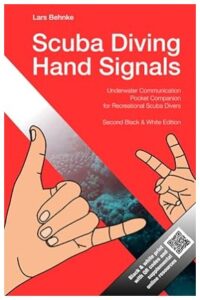
The book is written by Lars Behnke. It was published on December 22, 2022. The edition is black and white paperback. It is compact and designed for easy use underwater.
Purpose
The book teaches hand signals used in scuba diving. Hand signals are critical underwater because speaking is impossible. Divers use these signs to communicate safety issues, air levels, or excitement about underwater sights.
Audience
This book is ideal for beginner and recreational scuba divers. It helps them learn signals before or during dives. Advanced divers may also use it as a quick reference guide.
Book Categories
Common Signals
The book explains gestures that divers use all the time. These signals cover basic communication like “OK” or “Stop.” They form the foundation of underwater conversation.
Problem and Emergency Signals
It includes critical signs for emergencies. Examples are “Out of air,” “Need help,” or “Danger.” Knowing these signals can prevent accidents underwater.
Training Signals
Training signals support learning and practicing dives. Instructors and students use them to guide exercises.
Air Pressure and Number Signals
The book shows gestures to communicate air supply or count numbers underwater. This helps divers monitor their safety and dive limits.
Underwater Wildlife Signals
Signs for fish, sharks, turtles, and other animals make diving fun. These signals allow divers to point out creatures to buddies without touching or disturbing them.
Environment Signals
Divers use environment signals to discuss currents, visibility, or obstacles. These gestures help plan safe movement and explore efficiently.
Emotion Signals
Excitement, surprise, or curiosity can be shared underwater using emotion signals. These gestures make diving more social and enjoyable.
Miscellaneous Signals
Other unique signals cover situations not included in standard categories. This ensures divers are ready for any underwater scenario.
Book Features
Easy to Use
The book is pocket-sized and fits in a dive bag. Divers can easily carry it and refer to it before or during dives.
Clear Illustrations
More than 240 hand gestures are illustrated. Each image shows how to perform the signal correctly.
Organized Categories
Gestures are grouped into eight categories. This organization makes learning faster. Divers can focus on one category at a time.
Safety Focused
The book emphasizes safety. Learning these signals reduces misunderstandings underwater. It helps prevent accidents and makes dives smoother.
Beginner Friendly
The text is simple and easy to read. Short explanations help beginners remember signals quickly.
Final Thoughts
Diving safely and confidently depends on knowledge as much as on gear. Scuba Diving Hand Signals: Pocket Companion for Recreational Scuba Divers helps beginners learn essential underwater communication. Clear illustrations, simple explanations, and organized categories make it easy to use.
Pocket-sized design ensures it stays with you on every dive. Understanding hand signals improves safety, teamwork, and enjoyment underwater. For anyone interested in learning and practicing diving skills, this guide stands out as a valuable resource. Overall, it ranks among the Best Scuba Books for both new and recreational divers.